A kitchen renovation offers the perfect chance to lower household impact while creating a beautiful and functional heart of the home. Australian homeowners now have more sustainable materials, efficient appliances and design strategies to choose from than ever before. This practical guide explains how to plan an eco friendly kitchen that meets Australian standards, performs well in local climates and serves the family for many years with minimal waste.
What makes a kitchen sustainable in Australia
A sustainable kitchen balances style, durability and environmental responsibility. It lasts for decades, uses resources wisely and supports healthy indoor air. In the Australian context the definition links closely with the National Construction Code, state energy rules and voluntary programs such as Green Star. A responsible design therefore looks at whole of life performance. That means selecting materials with lower embodied emissions, choosing energy and water efficient appliances, allowing for future repair, keeping waste out of landfill and designing with passive solar principles suited to the local climate zone.
Compliance is not the only driver. Power prices keep rising and many regions face water stress, so efficiency delivers direct financial returns. Meanwhile healthier low VOC finishes protect the household from harmful off-gassing. By combining regulation, comfort and cost savings, a sustainable kitchen becomes a smart long term investment rather than a feel good extra.
Durable lower impact kitchen materials
Materials often carry the largest embodied carbon load in a kitchen project. Selecting responsibly sourced, low emission and long life products therefore makes an immediate difference.
Sustainable cabinetry
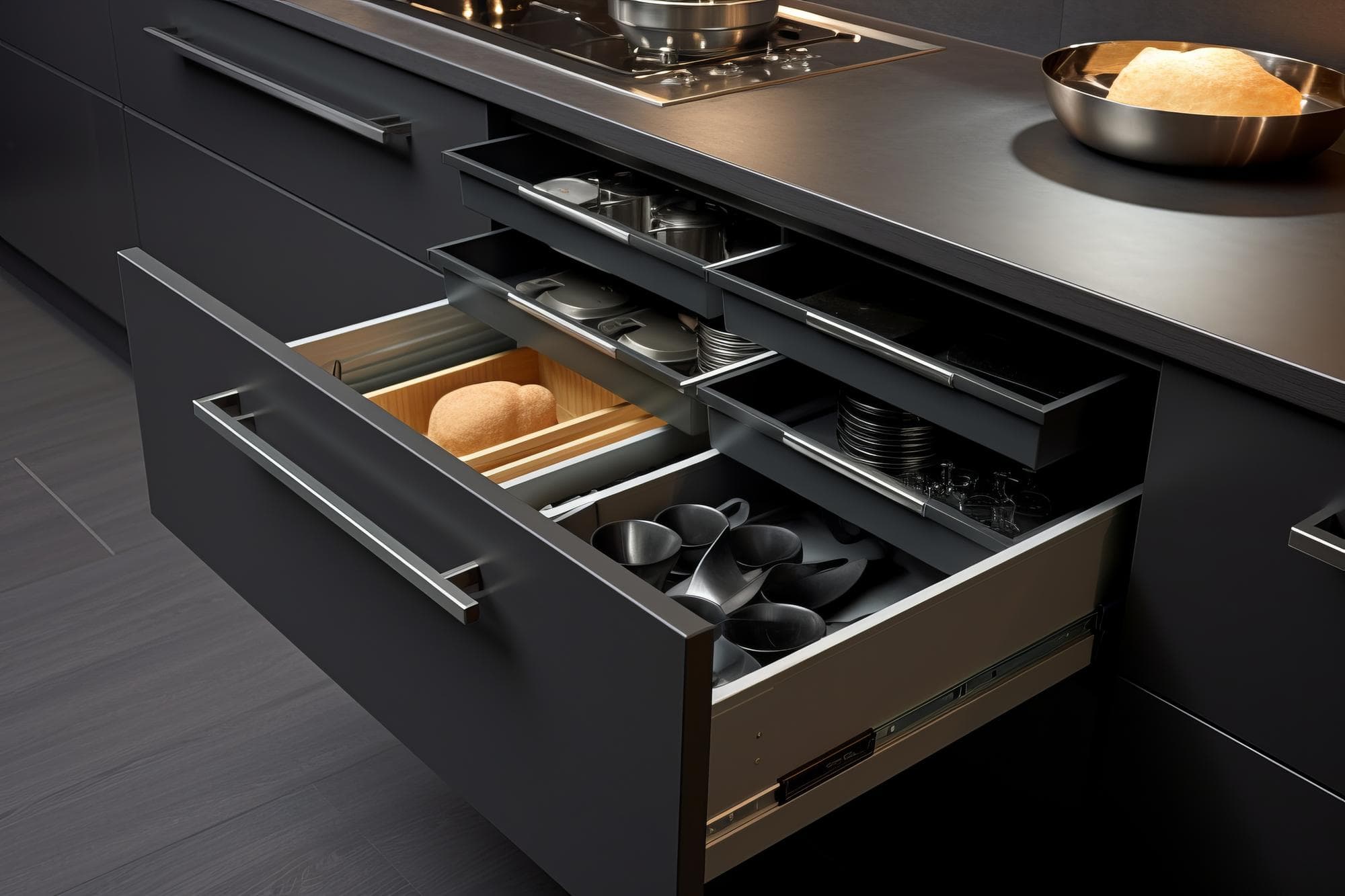
Cabinet carcasses and doors dominate the visual and structural part of the room. Look for FSC certified or PEFC certified timber products, recycled or rapidly renewable boards such as bamboo ply, and Australian made panels that travel shorter distances. Confirm the board and adhesive system have low formaldehyde ratings such as E0. A melamine faced board that meets E0 with replaceable doors can outperform an exotic hardwood that will need full replacement if the surface wears out. Durable hardware with easily replaced hinges and drawer runners also extends service life. Ask the supplier for product emissions declarations and warranty details before purchase.
Eco friendly benchtops
Benchtops take daily wear from chopping, hot pans and cleaning chemicals. Recycled content surfaces made from glass, paper composite or reclaimed stone offcuts offer strong performance while diverting waste from landfill. Porcelain slabs have grown in popularity because they withstand high heat, resist stains and use relatively low amounts of raw mineral per square metre. Reclaimed solid timber adds warmth, though it needs regular oiling and may move with humidity. Each option has strengths and trade offs, so compare maintenance needs, transport emissions, sealing products and end-of-life recyclability. By matching the surface to expected use you prevent premature replacement.
Recycled and reclaimed materials
Salvaged timber shelving, vintage handles, second-hand stainless sinks and refurbished light fittings add character and cut embodied impacts. Many demolition yards in Australian cities carry quality hardwood beams and panels ready for a new life as shelving or feature trims. Check each piece for structural integrity, moisture damage and safe lead levels if painted. When done well the story of reclaimed pieces becomes a talking point and a reminder of the value of reuse.
Design layout to reduce waste
Good space planning lowers material use and running costs. Retain sound structural elements and plumbing where practical rather than shifting every service line because a trend calls for an island. Accurate storage sizing avoids buying extra cabinets that may stay half empty or create awkward dead corners. Standard cabinet widths and heights help joiners minimise offcuts and speed up installation. A thought-out work triangle or zoned layout reduces walking distance, supports safe food handling and often means smaller benchtop footprints. Future proofing matters too. Leave access panels for appliance changeover and specify adjustable shelving so that evolving household needs do not trigger a total rebuild.
Improve kitchen energy efficiency
Appliances account for a significant slice of household power bills. Australian Energy Rating Labels make selection straightforward. Aim for refrigerators and dishwashers with the highest affordable star counts that still meet capacity needs. An induction cooktop heats faster and wastes less energy than traditional electric resistance elements, plus it works well with the national trend toward home electrification powered by rooftop solar. LED lighting throughout cuts electricity use and emits less heat, which reduces cooling loads in summer. Where architecture allows, design openings for cross ventilation so heat and cooking smells can exit without always running an exhaust fan. In warm climates shading the kitchen window prevents afternoon heat gain, while in cooler regions north facing glazing backed by thermal mass captures winter sun.
Reduce water use in the kitchen
Australia’s Water Efficiency Labelling and Standards scheme, known as WELS, rates taps and dishwashers from one to six stars. A swivel mixer with a six star flow rate uses almost half the water of an unrated model without compromising everyday tasks. Pair the tap with an efficient dishwasher and the combined savings add up quickly. Keep hot water runs short by placing the sink close to the hot water unit or by using a modern heat pump situated nearby. Instantaneous electric under-bench units are an option for apartments where pipe runs are long, although they draw significant power if heavily used. Fix leaks as soon as they appear and check flexible hoses regularly for wear.
Build smarter food waste and recycling systems
Australian households discard large amounts of food every week. Integrating an organics caddy beside recycling and residual waste bins makes sorting second nature. A pull-out frame under the sink can house three buckets yet still leave space for cleaners. Nearby bench space lets you scrape and separate without mess. If the property has a garden, design the back door route so compost can be delivered easily. Urban apartments can adopt bench top bokashi bins or council supplied organics collections where available. Clear pantry organisation with glass jars and good lighting helps everyone see ingredients before they expire. Together these measures cut methane producing landfill and reduce grocery bills.
Use healthier finishes for better indoor air
Paints, sealants and adhesives release volatile organic compounds during curing and sometimes for years after installation. Select low VOC or zero VOC formulations certified by bodies such as Good Environmental Choice Australia. Water based polyurethane can now match solvent based durability on timber floors and benchtops. Engineered boards with E0 or super E0 adhesives emit far less formaldehyde, reducing eye and throat irritation. Always ventilate well during application and curing stages, especially in winter when windows stay shut. The result is a kitchen that smells fresh rather than chemical laden and supports respiratory health.
Passive design features for Australian climates
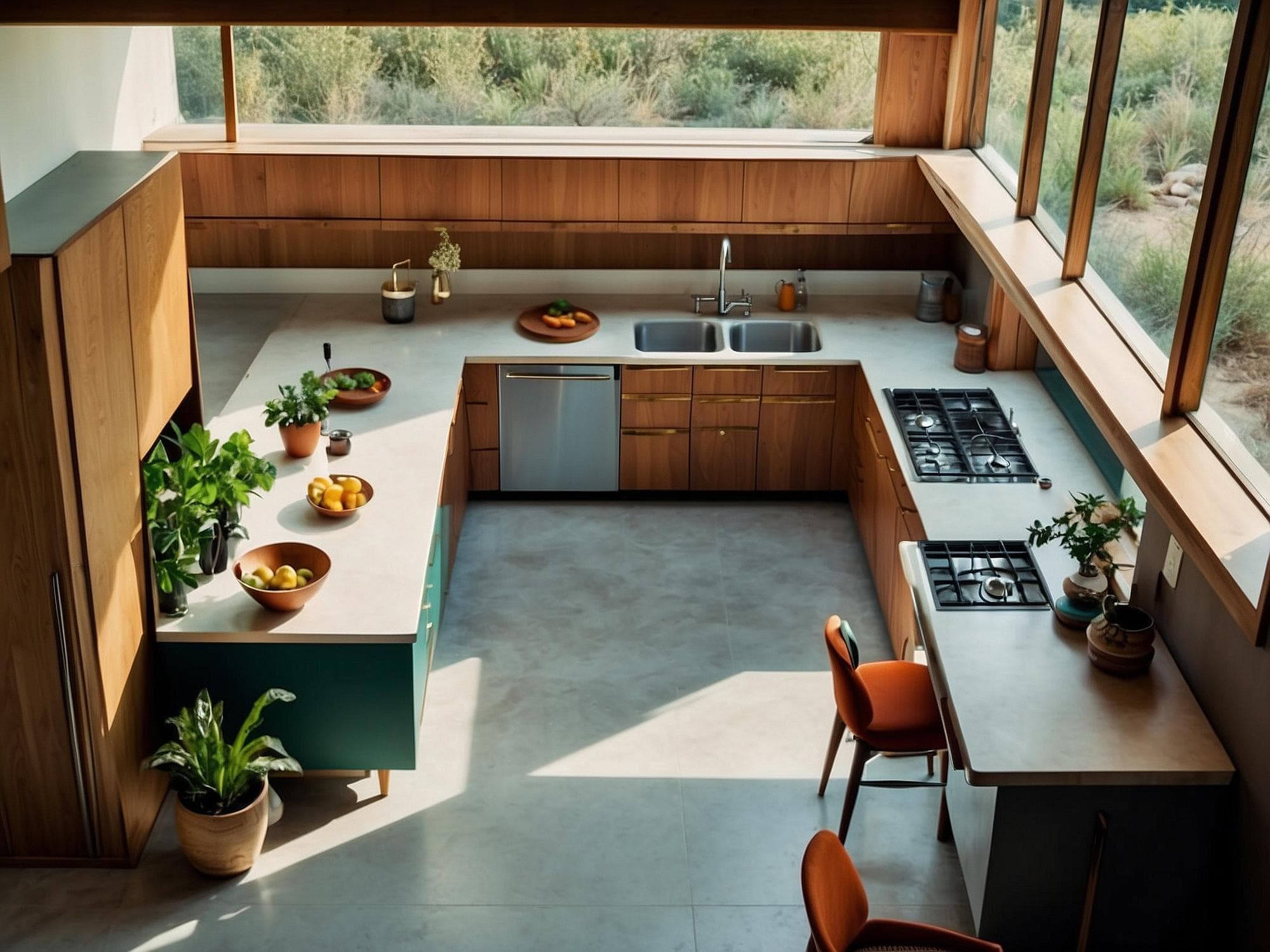
Australia covers tropical, temperate, alpine and desert zones, so one design does not fit all. In hot humid northern areas cross ventilation, ceiling fans and light coloured finishes reflect heat and promote airflow. Deep eaves or pergolas protect west facing kitchen windows from harsh summer sun. In the cooler south, maximising northern solar access and using high performance glazing helps capture warmth during winter days. Thermal mass elements such as a tiled floor adjacent to glass store heat and release it slowly after sunset. Bushfire prone regional zones require non combustible surfaces and ember resistant vents that still allow ventilation but block burning debris. A local building designer or architect with passive solar expertise tailors these features to site specifics, aligning comfort with energy efficiency targets under the updated National Construction Code.
Sustainable kitchen ideas across different budgets
Even modest renovations can achieve meaningful gains. The table below shows how homeowners can prioritise according to budget size.
| Budget level | Practical eco friendly options |
|---|---|
| Lower | Upgrade to LED globes and strip lighting that fit existing fittings. Fit a WELS six star mixer tap and retrofit an aerator on the old laundry tub for plant watering. Repaint doors with low VOC enamel and add a compact organics bin. Repair wobbly hinges instead of replacing entire cabinets. |
| Mid | Reface cabinet doors using E0 board or FSC timber veneer while keeping sound carcasses. Install a recycled glass benchtop and an induction cooktop supplied by rooftop solar. Replace the old fridge with a five star model sized to household needs. Improve cross ventilation by converting a fixed window into an awning style opening. |
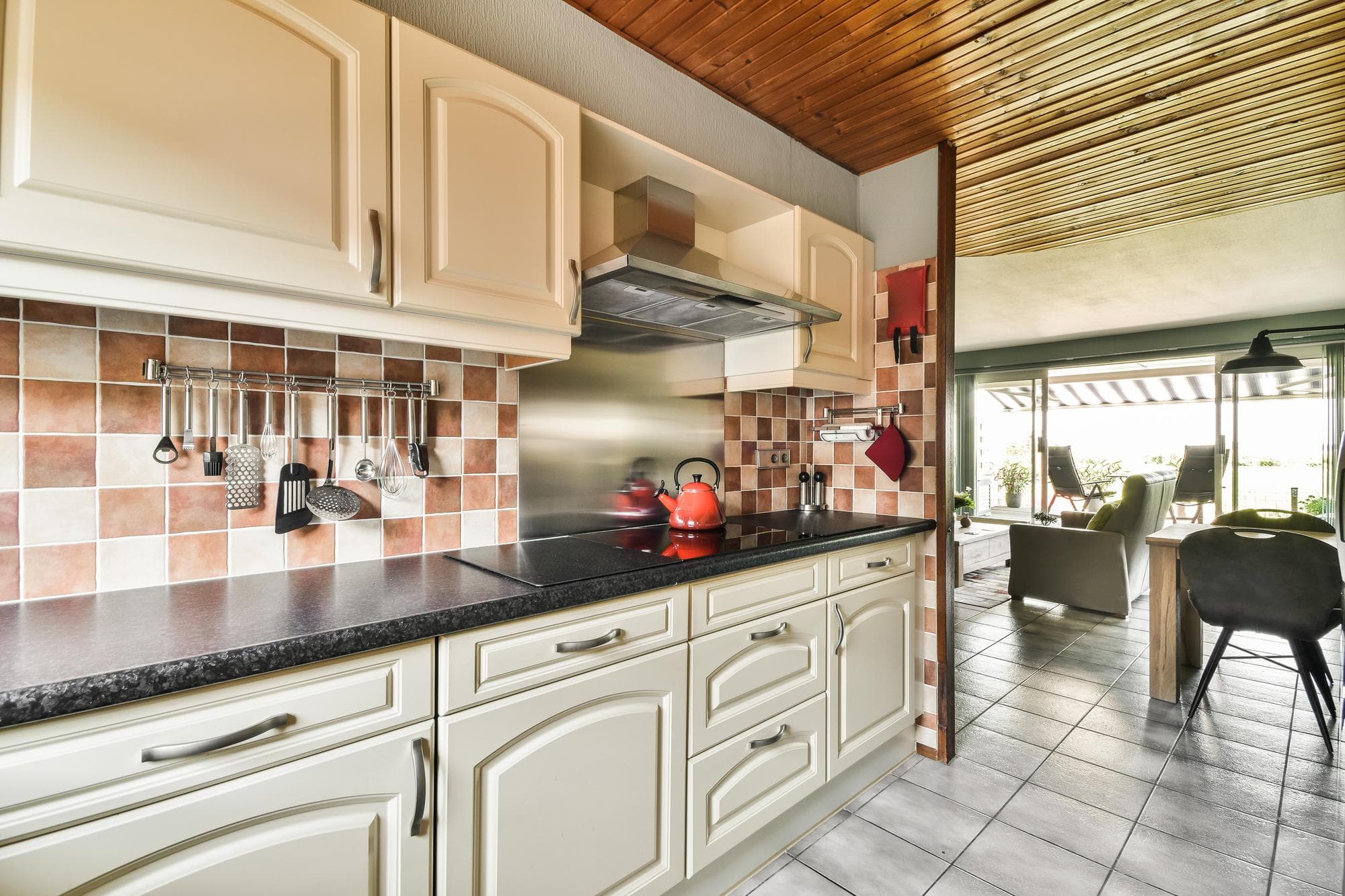
| Higher | Reconfigure the layout for better ergonomics and daylight, keeping plumbing runs short. Custom build cabinets from locally manufactured low emission plywood. Add high performance double glazing, external shading devices and a heat pump hot water system positioned close to the kitchen. Integrate a rainwater tank feeding the cold side of the dishwasher. Commission a Green Star Homes assessment to verify whole of house performance. |
Questions to ask a kitchen designer
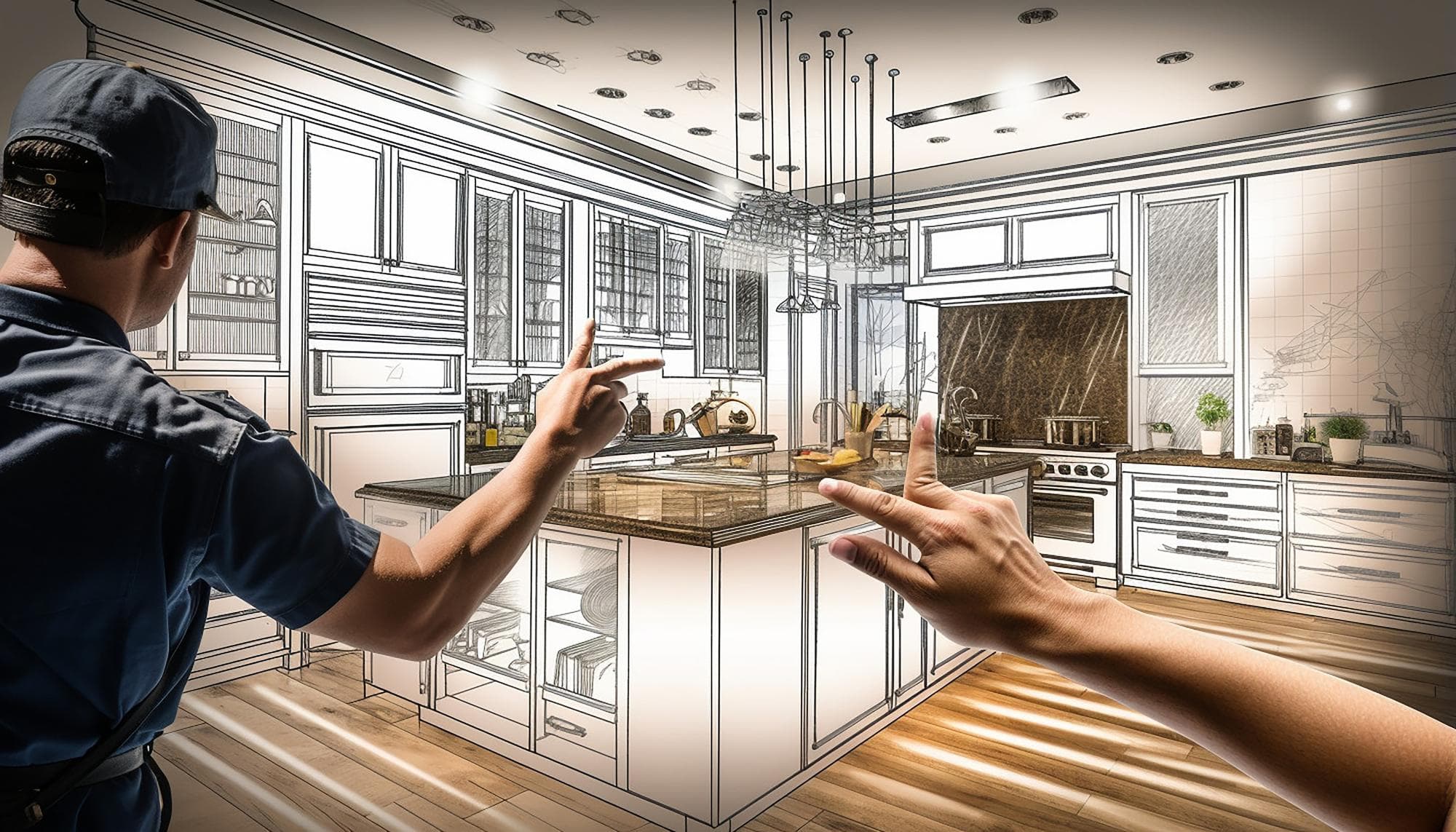
Early conversations set the tone for a sustainable outcome. Ask where each material is sourced, what percentage of recycled content it holds and whether formaldehyde or other emissions certificates are available. Confirm that doors, drawer fronts and hardware can be replaced independently of carcasses if fashion changes. Request a detailed demolition plan that describes how existing cabinets, appliances and waste will be reused, donated or recycled. Discuss appliance sizing rather than defaulting to the largest model. Clarify how the design might adapt if future owners decide to electrify further or add second life battery storage.
Sustainable kitchen renovation checklist
A simple checklist keeps decision making on track. Start by auditing what can stay, what can be repaired and what must be replaced. Record the chosen low emission boards, recycled content surfaces, efficient appliances, WELS rated fixtures, LED lighting strategy and waste sorting locations. Note ventilation paths, passive shading elements and maintenance requirements for each finish. Confirm the installer holds relevant licences and has a plan for responsible waste management. Finally set reminders to register appliance warranties and schedule periodic hinge adjustment, seal reapplication and water filter changes. A documented approach prevents shortcuts and supports ongoing performance.
Frequently asked questions
What is sustainable kitchen design
It is a design approach that lowers environmental impact through durable materials, efficient energy and water use, responsible sourcing and a layout that allows repair rather than demolition.
What is the most eco friendly material for kitchen cabinets
No single material suits every project. Compare recycled content, certified sourcing, adhesive emissions, durability and end of life recyclability before deciding.
Are recycled kitchen benchtops durable
Many recycled content surfaces match or exceed the hardness and stain resistance of virgin stone or laminate. Longevity depends on proper installation, sealing where required and following care instructions.
How can I make my existing kitchen more sustainable
Keep serviceable carcasses, replace only worn doors and fronts, fit efficient appliances, switch to LED lighting, improve waste separation and choose low VOC paint for a quick refresh.
Does sustainable kitchen design cost more
Upfront prices vary. Some choices such as LED globes and tap aerators cost less than conventional options while premium low emission custom joinery can cost more. Over time lower energy and water bills plus longer replacement cycles usually offset initial spending.
Can a small kitchen be sustainable
Yes. A compact footprint uses fewer materials and encourages efficient appliances and organised storage. Good ventilation, bright surfaces and multi purpose work zones make a small space both eco friendly and comfortable.
What should I ask a kitchen designer about sustainability
Ask about material provenance, recycled content, emissions testing, durability, maintenance, repair pathways, waste management during installation, appliance efficiency and how the design aligns with local climate considerations.
Conclusion
A sustainable eco friendly kitchen in Australia blends beautiful design with measurable performance gains. By choosing responsible materials, efficient appliances, smart layouts and passive climate features you can cook, socialise and live in a space that supports both family wellbeing and the planet. Ready to turn these ideas into reality. Book a design consultation now and explore how your renovation can deliver a stylish kitchen with lower impact and long term savings.