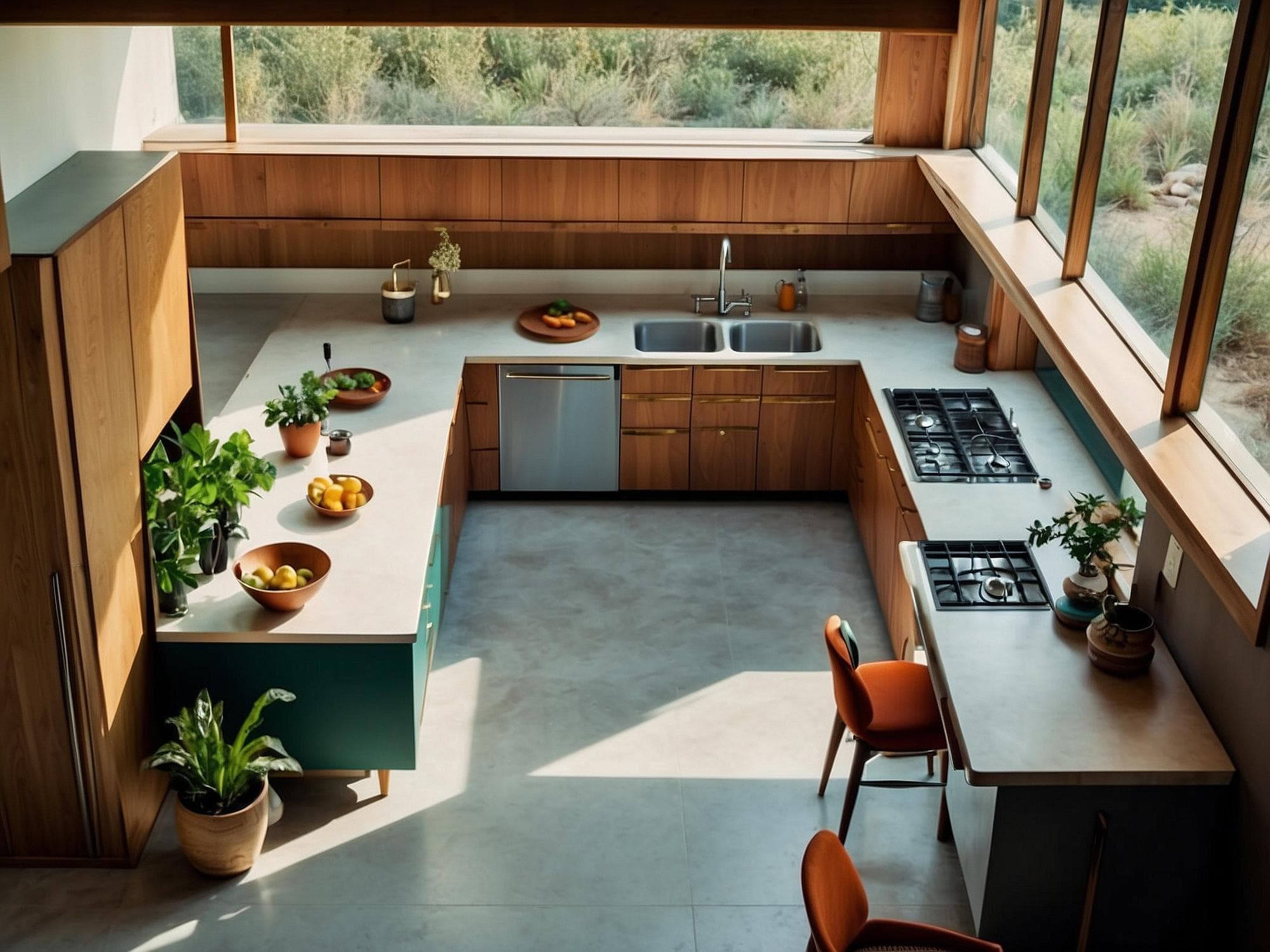
Australia remains passionate about kitchens and the styles that shape them. Modern, contemporary, Hamptons, coastal, country, Scandinavian and industrial designs consistently rank as the most requested looks across the nation, and the best option for any home depends on architecture, climate, lifestyle, budget and long-term maintenance. The following guide compares each style, explains where it excels, shows how design trends translate to Australian conditions and unpacks the practical and regulatory essentials that every homeowner must consider before picking up a demolition bar or ordering cabinetry.
At a glance popular kitchen styles in Australia
| Style | Key features | Best suited to | Watch outs |
|---|---|---|---|
| Modern | Flat cabinetry, minimal hardware, integrated appliances | New builds, minimalist interiors | Risk of feeling cold without texture and warmth |
| Contemporary | Mixed materials, statement lighting, flexible colour | Open-plan living spaces | Trends can date faster than classic looks |
| Hamptons | Shaker doors, light palette, classic detail | Period, coastal and family homes | Extra mouldings increase cleaning time |
| Coastal | Soft hues, timber, relaxed textures | Beachside or light-filled dwellings | Overly themed décor can date quickly |
| Country | Framed cabinetry, natural timber, warmth | Character cottages, heritage homes | Requires thoughtful styling to avoid clutter |
| Scandinavian | Pale timber, efficient storage, simplicity | Small or compact kitchens | Limited palette needs layered texture |
| Industrial | Metal accents, darker tones, exposed elements | Lofts, warehouse conversions | Dark finishes can reduce natural brightness |
The matrix illustrates how each look balances aesthetics, suitability and upkeep. Modern and contemporary styles dominate new residential builds, while Hamptons and coastal kitchens remain favourites in seaside suburbs from Byron Bay to Margaret River. Country and Scandinavian schemes consistently win favour in regional renovations and compact city apartments, and industrial themes have carved a niche in converted warehouses and modern extensions.
Modern kitchens
Modern kitchens favour simple geometry, flush lines and a restrained palette. Cabinet doors are often slab style without handles or with finger pulls. Benchtops lean toward engineered stone or porcelain, which offer thin profiles and uninterrupted runs. Integrated or semi-integrated appliances allow the visual flow to continue, and concealed rangehoods maintain streamlined sightlines.
To avoid a clinical feel many Australian designers introduce warmth through timber veneer, ribbed glass or soft muted colours. A single timber feature island, for instance, offsets the crispness of matte white cabinetry. Good lighting design is essential because reflective gloss finishes once used in modern spaces have largely given way to warmer super-matte surfaces that absorb light. LED strip lighting under wall cabinets and within shadowlines accentuates architecture without cluttering the scheme.
From a compliance perspective modern kitchens must meet the same performance requirements as any other wet area. Flat-panel doors are easy to seal against moisture, and integrated dishwashers require correct drainage and electrical isolation under AS 3740 and AS/NZS 3000. Streamlined forms may conceal service penetrations, so ensure trade access panels remain reachable for maintenance.
Contemporary kitchens
Contemporary kitchens embrace the present moment rather than a specific historical reference. Australian projects often mix timber, coloured laminate, fluted glass and natural stone in one room. A deep coloured island may sit beside pale wall cabinets. Hardware shines in matt black, brushed brass or gunmetal, while sculptural lighting turns workspaces into social hubs.
Contemporary flexibility suits open-plan living. When the kitchen forms part of the living zone designers use sectional timber cladding or decorative shelving to blend storage with entertainment units. Energy-efficient appliances and smart home technology fit naturally within this forward-facing style.
Because contemporary spaces sometimes chase trends they risk premature dating. Homeowners can future-proof by selecting neutral foundational elements such as cabinetry and splashbacks, then experimenting with easily replaced accents such as stools, taps or pendant lights. Structural changes need building permits under local building acts, so staged upgrades protect both timeline and budget.
Hamptons kitchens
Hamptons kitchens evolved from the grand beach houses of Long Island yet resonate strongly with Australian sensibilities thanks to their bright airy character. Core elements include shaker-profile doors, substantial island benches, panelled rangehood canopies and classically styled pendant lights. White dominates, although pale grey and navy blue islands have gained popularity. Natural or engineered stone with subtle veining offers a luxurious benchtop finish that aligns with the style.
Detail adds charm but also cleaning effort. Profiled drawer fronts and decorative corbels catch dust in coastal humidity. Designers recommending Hamptons motifs in tropical latitudes often simplify mouldings and select easy-clean satin polyurethane finishes. Brass or brushed nickel knobs add age-worthy elegance while newer knurled handles provide a contemporary twist.
Timber flooring or wide-board engineered oak complements the breezy mood. Where bushfire attack-level ratings limit combustible materials homeowners can achieve a similar effect using fire-rated hybrid planks that satisfy NCC external-wall performance too. Rangehoods must vent to fresh air under AS 1668, especially in sealed beachside homes where salt buildup threatens indoor air quality.
Coastal kitchens
Coastal kitchens celebrate relaxed informal living. Australian designers leverage abundant natural light, soft sandy tones, sea-glass greens and textural timbers. Timber overheads sit above crisp white base units or vice versa, ensuring visual balance. Open shelving displays ceramics, but deep drawers provide functional storage for everyday items protected from salt spray.
Natural stone such as limestone or light granite fits the coastal brief, though many households prefer durable quartz composites that shrug off red wine and barbecued prawn spills. For backsplashes, zellige tiles with irregular glazes evoke sun-bleached serenity while resilient acrylic panels cater to busy holiday rentals.
A common misstep is over-theming. Rope handles, anchor motifs and turquoise walls can quickly feel gimmicky. Designers therefore focus on texture and tone rather than literal symbols. Compliance wise, many coastal suburbs have corrosive environments. Hardware must achieve suitable corrosion resistance ratings, and external ductwork needs marine-grade finishes.
Country and farmhouse kitchens
Country kitchens conjure warmth and nostalgia. Framed cabinetry, tongue-and-groove panelling, ceramic sinks and exposed timber beams communicate homeliness. Australian farmhouse versions borrow from English and American precedents but with lighter palettes suited to the southern hemisphere sun. Warm white cabinetry supports feature islands painted in heritage greens or deep rust reds. Timber benchtops bring authenticity though they require regular sealing under AS 5601 gas installation clearances near cooktops. Many renovators therefore combine a timber island with practical engineered stone along the back run.
Open shelving shows off pottery and preserves yet increases dusting. Where storage demands are high but space tight, glass-front cabinets lend display appeal while keeping items protected. Cast iron handles and wall mounted pot racks complete the look.
Renovating heritage cottages demands sensitivity to existing timber floors and structural walls. Removing wall sections to create open-plan farmhouse kitchens triggers NCC structural provisions and often bushfire assessments in regional Victoria or New South Wales. Engage a structural engineer early to verify load paths before demolition.
Scandinavian kitchens
Scandinavian kitchens prioritise light, functionality and clean material honesty. Pale oak or ash timber pairs with white cabinetry, soft greys and pastels. Benchtops may be pale terrazzo, light concrete or white stone. Hardware stays minimal while clever internal organisers maximise every centimetre, a boon for Australian apartments where space is at a premium.
The style suits small kitchens because it enhances perceived space through reflective surfaces and restrained palettes. Vertical grain timber accentuates height, and slimline open shelves maintain airiness without compromising storage. Feature lighting with simple geometric shapes underscores Nordic pragmatism.
Moisture resilience is vital given the prevalence of timber. Water resistant sealants at panel joins and continuous membrane coverage behind splashbacks meet AS 3740 wet-area rules. Induction cooktops align with Scandinavian energy efficiency goals and future electrification standards in NCC Section J.
Industrial kitchens
Industrial kitchens embrace raw character derived from converted factories. Stainless steel, aged copper, exposed brick and reclaimed timber set a moody tone. Dark charcoal cabinetry contrasts with concrete benchtops, while open steel shelves replace closed wall cabinets. Oversized pendant lights or track lighting echoes commercial origins.
In residential settings Australian designers temper heaviness with ample glazing or skylights. Using lighter benchtop hues or textured white splashbacks prevents the cave effect. Fingerprints show readily on dark matt finishes, so high quality nanotech laminates help maintain a clean appearance.
Fire performance and durability are advantages. Stainless benches near gas cooktops meet non-combustibility goals, and sealed concrete withstands heavy wear. If polished concrete floors continue through the living zone, acoustic underlays beneath rugs reduce echo in the hard surfaced environment.
Which kitchen style suits your Australian home
Every dwelling brings its own context. A sleek modern kitchen feels coherent in a new minimalist townhouse, yet could appear jarring in a Victorian terrace with ornate cornices. Federation homes often reconcile with Hamptons or contemporary hybrid schemes that respect period features while providing modern functionality. Small apartments gain spaciousness through Scandinavian motifs, whereas large open-plan family homes comfortably hold contemporary combinations of timber, colour and texture. Coastal properties almost demand sea inspired palettes, but care must be taken to reference the environment subtly. Investment properties usually benefit from neutral modern or contemporary designs that appeal to the broadest tenant market and minimise maintenance calls.
How to choose a kitchen style
Focus first on the home itself. Its architecture, ceiling height, natural light and connection to outdoor areas all influence style success. A one wall apartment kitchen needs efficient vertical storage, while a suburban renovation may support an expansive island for social gatherings. Assess how much time you intend to spend cooking, entertaining or cleaning. High profile shaker doors look wonderful yet take longer to wipe than flush panels. Budget also drives decisions. Detailed country or Hamptons profiles add labour and material costs compared with modern laminate slabs. Think ahead to resale value in your suburb, and lean toward timeless elements for expensive to replace items such as benchtops, cabinetry carcasses and flooring. Adopt trend colours through stools, wall paint and lighting that you can refresh cheaply.
Kitchen style trends versus timeless design
Trends are exciting yet kitchens remain in service for fifteen to twenty years on average. Neutral cabinetry colours like white, warm grey or soft beige rarely date and pair happily with emerging accents. Benchtops in restrained marble patterns such as Carrara or in uniform quartz aggregates also stay relevant. Bolder moves can appear in feature splashbacks, island paint, open shelves or interchangeable door panels that allow updates without a full renovation. Keeping base designs classic frees you to experiment with bar stools, small appliances and artwork, ensuring the space evolves while major investment objects persist.
Regulatory and compliance factors in Australian kitchen design
Regardless of style every Australian kitchen functions as a wet area under the National Construction Code. Waterproof membranes must extend under cabinetry that adjoins the floor, and splashback areas behind sinks and cooktops demand water resistant materials that comply with AS 3740. Electrical safety falls under AS/NZS 3000 which prescribes residual current devices and separation distances between outlets and water sources. Rangehoods require mechanical exhaust to the outside according to AS 1668, preventing moisture and cooking fumes from stagnating within the home.
Energy efficiency provisions in NCC Section J increasingly influence appliance selection and thermal performance of glazing near the kitchen. In apartments or class two buildings accessibility rules mean bench heights, toe kicks and circulation spaces must accommodate wheelchair users or be adaptable with minimal modification later. State variations amplify certain matters. New South Wales mandates BASIX energy and water targets that impact hot water system selection, Victoria imposes bushfire-ready material guidelines in high BAL zones, and Queensland cyclone ratings inform fixings for exterior ductwork or outdoor kitchens.
Penalties for non compliance include stop-work notices from building surveyors, fines that can reach tens of thousands of dollars for serious breaches, and even suspension of practitioner licences. Engaging licensed builders, plumbers and electricians who issue compliance certificates protects homeowners, ensures insurance validity and reassures future purchasers during building inspections.
| Standard or Code | Compliance focus |
|---|---|
| NCC Volumes 1, 2, 3 | Structural integrity, energy efficiency, waterproofing, ventilation |
| AS 3740 | Waterproofing requirements for wet areas |
| AS/NZS 3000 | Electrical installations and safety |
| AS 1668 | Mechanical ventilation and exhaust |
| Disability Discrimination Act and NCC accessibility provisions | Clearances, heights, adaptability |
Early collaboration between designer, builder and certifier avoids costly rework and secures building approval on first submission.
Frequently asked questions
What is the most popular kitchen style in Australia
Modern and contemporary designs claim the broadest appeal because they adapt to many house types and favour streamlined maintenance while still allowing character through colour and texture overlays.
Are Hamptons kitchens still trending
Yes. Hamptons kitchens remain a staple choice, especially in coastal and period suburbs where homeowners value classic proportion, bright cabinetry and elegant detail.
Which kitchen style works best for a small space
Scandinavian and modern schemes excel because their pale colours, integrated storage and minimal ornament create a sense of openness and order.
How can I make an industrial kitchen feel brighter
Balance dark finishes with generous natural light, reflective splashbacks and lighter benchtops. Introduce warm timber and strategic LED lighting to lift ambience without losing industrial character.
Do I need a building permit for a kitchen renovation
If the project alters plumbing, electrical work, structural walls or ventilation paths most Australian jurisdictions classify it as building work that requires a permit. Minor cosmetic updates like replacing cabinet doors may not, but always confirm with the local authority.
What kitchen style offers the least maintenance
Modern or pared back contemporary kitchens with flat doors, durable quartz tops and easy clean splashbacks demand the least ongoing effort because they avoid prominent grooves and fragile surfaces.
How often should I update a kitchen guide
Revisit the content yearly to track new materials, appliance technology and code revisions, ensuring homeowners receive current and reliable information.
Conclusion
Modern, contemporary, Hamptons, coastal, country, Scandinavian and industrial kitchens each deliver distinct aesthetic and functional benefits for Australian homes. The right choice emerges when style preferences align with the dwelling’s architecture, environmental conditions, budget and regulatory obligations. By balancing visual inspiration with practical insight and compliance knowledge you will craft a kitchen that not only looks extraordinary but also stands the test of time, weather and everyday use. For tailored advice on bringing your preferred style to life consult a licensed designer or builder who understands local conditions, current codes and your specific household needs.