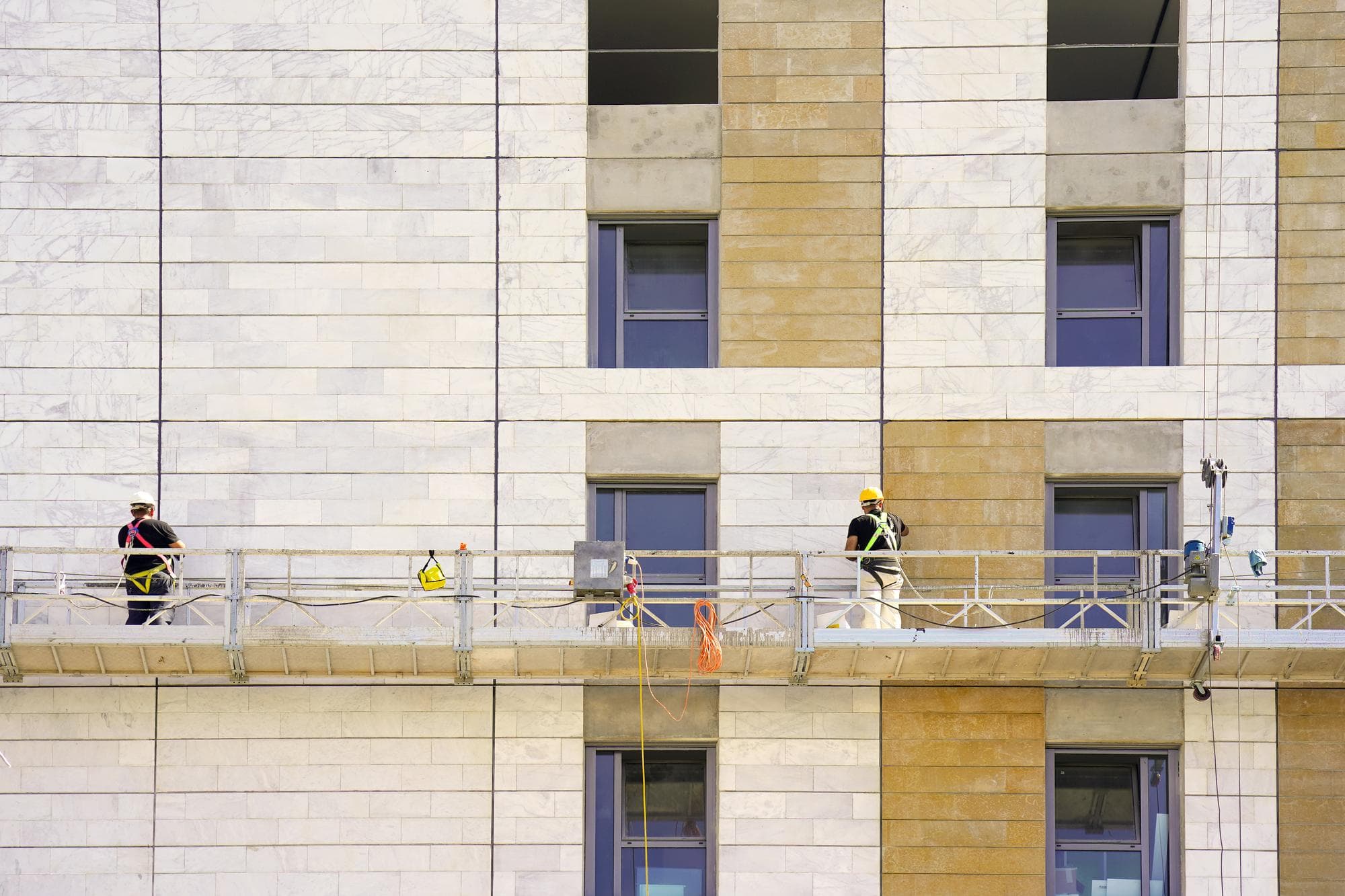
Moisture sneaking behind gorgeous new tiles can turn a renovated bathroom or sun-drenched balcony into a nightmare of mould, rot and legal wrangling. On the Gold Coast the mix of salt-laden air, heavy summer rain and relentless ultraviolet exposure pushes waterproofing systems to their limit, which is why many owners see leaks well before the end of the expected service life. The big lesson from thousands of rectification projects is simple yet often ignored. Always diagnose the cause of water ingress before you lift a tile, order new grout or call the tiler back, because the visible damage is only the symptom of a deeper systems failure.
Why tiles tell only half the story
Fresh tiles can look immaculate while moisture silently tracks through a pinhole in the membrane or pools against an insufficient fall. Likewise cracked or drummy tiles can tempt an owner to organise immediate retiling when in fact the tiles failed because the screed below has swollen with retained water. Tiles, grout and silicone perform as the sacrificial skin. They offer early clues such as efflorescence, hollow sounds, discoloured joints or lifting corners. Those clues, however, cannot reveal whether the real culprit is a plumbing leak, inadequate drainage, missing bond breakers at junctions or movement in the building frame. Without a structured investigation a cosmetic repair hides the issue and the same leak returns, often worse, because water has now had more time to migrate into framing or concrete.
Bathroom versus balcony failure patterns on the Gold Coast
Bathrooms and balconies share some basic waterproofing principles, yet their failure signatures differ in ways that influence both diagnosis and repair planning. Inside a bathroom the shower base and the wall-floor junctions experience daily soak cycles with shampoo, steam and heated water. The membrane must integrate with puddle flanges at the floor waste, wrap up walls to at least one thousand eight hundred millimetres, turn under hobs or thresholds and tolerate thermal expansion from hot showers. Failure signs tend to appear as damp plasterboard, swollen skirting boards or stains on the ceiling below.
Balconies on the other hand battle wind-driven rain, midday ultraviolet and the coastal salt spray unique to the Glitter Strip. The structural slab might deflect under live loads, balustrade posts can create unsealed penetrations and many older high-rise apartments were built before modern drainage provisions were enforced. As a result leaks often present as calcified tears on the soffit, bubbling paint on vertical walls under the edge beam or rust weeping from reinforcement that has begun to corrode.
The table below summarises the different stressors and tell-tale symptoms.
| Element | Main environmental stress | Common first symptom | Frequent root cause |
|---|---|---|---|
| Bathroom shower | Heat, soap, daily soaking | Peeling paint on adjacent wall | Missing membrane upturn or poor corner detailing |
| Internal floor outside shower | Intermittent splash and mopping | Curling vinyl or swollen door trim | Lack of fall to floor waste or membrane laid over screed |
| Balcony surface | Ultraviolet, ponding rain, salt | Efflorescence at grout lines | Inadequate fall, blocked outlet or membrane degraded by UV |
| Balcony edge beam | Wind-driven rain | Rust staining on soffit | Membrane termination failure or unsealed balustrade fixing |
The most common technical causes of waterproofing breakdown
Across thousands of defect reports a cluster of recurring mistakes appears. First is poor substrate preparation. Dust, oil or laitance on a concrete slab prevents primers and membranes from bonding, so blisters form and water tracks beneath. Second is incorrect membrane thickness. Many liquid applied products require a dry film thickness of about one millimetre over two coats, yet installers in a hurry often stretch coverage, leaving an anorexic film. Third is weak junction detailing. Without a bond breaker tape or neutral cure silicone at internal corners, liquid membranes pull tight when they cure, then split the moment the building frame flexes. Fourth is installing the wrong product for the environment, for example using an internal acrylic membrane on an exposed balcony where ultraviolet and temperature extremes will embrittle it within a few seasons. Finally, structural movement and trade damage keep defects rolling in. Screwdrivers through cured membranes, chisel marks from plumbers and the simple act of dropping a heavy tool all create micro tears that later expand under hydraulic pressure.
Step by step diagnosis before any re-tiling work
Diagnosis starts with observation. Note whether moisture appears only during or after shower use, or only after rainfall driving against a balcony door. Map the damp pattern. A spreading patch away from the shower suggests water migration under tiles. A single point under a mixer tap might indicate a plumbing issue. Next test with non-destructive tools such as capacitance moisture meters or infrared cameras which reveal anomalous temperature or conductivity signalling wet zones behind finishes.
Where safe, carry out a controlled flood test. For a bathroom plug the waste, fill the shower base to a prescribed depth with water dyed using harmless food colouring and mark the water level. If the level drops while visible surfaces remain dry, the leak is below the tiles. On balconies temporarily dam at the threshold with flexible foam and fill to a shallow depth, observing the soffit below. Testing durations should follow manufacturer guidance and comply with insurance requirements.
In high-rise units consider a tracer gas test or engage a specialist with electronic leak detection equipment that measures pulses through conductive membranes. Always photograph every stage for evidence, especially if a warranty claim or body corporate dispute could follow. The goal is to pinpoint the path of moisture so that demolition, if required, is limited to affected areas, saving time and cost.
Recognising when waterproofing not plumbing is the culprit
Plumbing leaks reveal themselves even when the shower has not run or no rain has fallen. A constant damp spot behind a vanity or at the base of the toilet wall, escalating water bills and hissing sounds behind tiles point to a pressurised pipe failure. Conversely waterproofing failure follows use patterns. Moisture appears after a long shower, then the patch slowly dries. Balconies show stains that blossom after storms and shrink during dry spells. Another sign is repeated silicone replacement that temporarily stops ingress. If replacing the joint seal works only for a few weeks, the membrane below is likely compromised, forcing water to travel behind the silicone until pressure finds the weakest seam.
A proven remediation sequence for durable results
Once diagnosis confirms membrane failure the repair sequence must follow a disciplined order. First remove fixtures, screens and edge trims with care to avoid further slab or wall damage. Lift tiles and screed back to the structural substrate if the membrane sits below the screed or is bonded directly to the substrate. Inspect concrete for cracks and treat with suitable epoxy if structural. Grind, vacuum and prime as the membrane manufacturer specifies. Reinstate falls of at least one in eighty toward the floor waste or balcony outlet using a rapid-setting screed, then install bond breaker tape at every internal corner and around penetrations. Apply the new membrane in two coats of contrasting colours so coverage can be visually confirmed, measuring wet film each coat with a comb gauge. After curing, perform a fresh flood test for the minimum twenty-four hours, or longer for balconies exposed to weather. Only when the assembly passes the water test should re-tiling commence, using a polymer modified adhesive compatible with the membrane. Grout with low porosity cementitious grout, then seal movement joints with neutral cure silicone.
Why the Gold Coast climate magnifies balcony risk
The Gold Coast sits in the humid subtropical zone with an annual average of nearly one thousand four hundred millimetres of rain, most falling in summer downpours that can dump more than one hundred millimetres in a single storm cell. These bursts overwhelm balcony outlets, leaving water ponded for hours on membranes that may already be fatigued by ultraviolet exposure measuring around five point six kilowatt hours per square metre per day. Add airborne salt from sea breezes which crystallises on surfaces and accelerates the decay of protective layers and you have the perfect recipe for rapid exterior waterproofing failure. Any section of membrane that lacks correct thickness or has blistered edges becomes a direct ingress path. Once water reaches the steel reinforcement inside the slab, corrosion products expand, spalling the concrete and compounding repair complexity.
The local legal landscape and why compliance matters
Queensland enforces the National Construction Code through the Building Act and the Building Regulation. For wet areas inside Class One and Class Two buildings, Part Ten point Two of the Housing Provisions sets mandatory waterproofing requirements. AS three seven four zero provides a deemed to satisfy pathway. For balconies AS four six five four parts one and two govern materials testing and installation. Waterproofing is classed as regulated work, so only contractors with a Queensland Building and Construction Commission licence may carry it out. The QBCC conducts random audits and can issue a Direction to Rectify for any defective work within six years and six months if the defect has structural consequences, or within twelve months for non-structural. Homeowners making an insurance claim under the Queensland Home Warranty Scheme must show that the original work was defective at time of completion, which underscores the value of detailed photographic records and test reports when rectifying existing failures.
Cost consequences of skipping the diagnosis phase
Rectification costs escalate dramatically when the wrong element is repaired. Re-tiling a shower without addressing a failed membrane can cost five thousand dollars, only for the leak to return and necessitate full demolition later at fifteen to twenty thousand dollars once swollen studs and mouldy insulation must be replaced. Balcony failures hurt even more. Superficial grout repair might cost one thousand dollars yet does nothing for a membrane that has delaminated. Three years later the owner faces a thirty thousand dollar slab repair with potential internal damage to the apartment below. Strata communities often bear six figure special levies when multiple stacked balconies need simultaneous remediation, whereas early targeted repairs based on accurate diagnosis could have limited works to smaller areas.
When to engage a licensed waterproofing specialist
Call a specialist when multiple repair attempts have failed, when you see rust stains on a balcony soffit, when damp patches spread beyond the immediate wet area, when a leak impacts the neighbour below or when inspection reveals non-compliant detailing such as membranes applied only over screeds or missing upturns at thresholds. A licence check on the QBCC register verifies competence and allows access to statutory warranties. Specialists can also issue condition reports that help owners negotiate with builders or lodge insurance claims. The small upfront fee for a thorough inspection and test program is the best investment against much larger future expenditure.
FAQ
How can I tell if my bathroom leak comes from waterproofing or plumbing
A plumbing leak usually shows constant moisture even when the shower has not been used, and may coincide with a higher water bill. Waterproofing failure appears after use and then dries out, often alongside cracked or missing grout and damp spreading horizontally rather than vertically down a pipe chase.
Is it safe to tile over an old membrane that looks intact
Only an invasive inspection and adhesion test can confirm the membrane condition. In many cases the membrane has already lost bond strength or has micro tears invisible from the surface. Installing new tiles over a compromised layer risks repeating the entire failure cycle within months.
What makes Gold Coast balconies more prone to leaks than those in cooler climates
The combination of high ultraviolet radiation, salt air and intense summer storms stresses membranes beyond their design envelope. Minor workmanship defects that would survive in milder zones deteriorate quickly on the coast, leading to early leaks.
How long should a quality waterproofing system last
With correct design, installation and maintenance an internal bathroom membrane can last twenty years or more. External balcony systems may have a shorter life expectancy of ten to fifteen years because of harsher exposure, though many fail earlier when installation quality is poor.
Do I need to flood test a repaired balcony before laying tiles
Yes. Flood testing is the most direct verification that a membrane system works. Skipping the test introduces uncertainty and shifts risk from contractor to owner once finishes conceal the work.
Can I claim under the QBCC Home Warranty Scheme for waterproofing defects in a ten year old unit
Structural water ingress defects may still be covered within six years and six months from completion. After that period owners must pursue the contractor through civil action, so early detection and reporting remain crucial.
Closing thoughts
Leaks in bathrooms and balconies cost Queenslanders millions each year, yet the vast majority stem from predictable causes that a methodical diagnosis would have revealed. Before you order stylish new tiles or rush a handyman fix, take a breath, gather evidence and engage a licensed professional to trace the moisture path from source to symptom. A few hours of detective work today can add decades of dry comfort to your Gold Coast home and protect your investment from the hidden menace of water.