Queensland’s coast offers a special mix of warm winters, humid summers, brilliant sunshine and occasional heavy rain. Those same conditions can turn a dream home into an energy guzzling, mould ridden box if design and construction fail to respect the climate. This guide explains in plain language how to plan, build or renovate a house that stays cool, dry and low in toxic chemicals while still meeting the National Construction Code and Queensland specific rules. By the end you will understand why orientation, shading, ventilation, moisture control and healthy materials all work together to create a truly healthy home in the subtropics.
Understanding the Subtropical Queensland Climate and its Impact on Health
Most of coastal Queensland south of Mackay sits in National Construction Code Climate Zone 2 which is classed as warm humid. Summer brings daytime temperatures that often sit above thirty degrees with relative humidity above seventy percent. Nights do not cool down as much as in southern states so buildings can struggle to dump accumulated heat. Winter is mild which means heating loads are light yet night time temperatures can still drop into the single digits in inland valleys.
High humidity is the most critical health challenge. Air that already carries a large amount of water vapour slows down evaporation from skin and from damp building materials. Any surface that remains above seventy percent relative humidity for extended periods becomes an ideal breeding ground for mould and dust mites. Both are linked to asthma, allergies and other respiratory conditions. At the same time humid air feels hotter than dry air which tempts occupants to close windows and run air conditioning. If the building envelope is poorly ventilated that closed environment can trap chemicals released from new carpets, paints and cleaning products creating poor indoor air quality.
Cyclonic winds, heavy rainfall events and subterranean termites add further risk. The building fabric must resist extreme wind loads while still breathing enough to dry out after storms. Termites thrive in warm moist soils so every primary structural component needs long term protection.
Passive Design Essentials for Comfort and Wellbeing
Good design starts long before the slab is poured. In Zone 2 the goal is to use natural forces such as breezes, shade and night sky radiation to maintain comfortable temperatures. When that foundation is done well mechanical cooling and heating become supporting actors rather than the lead role.
Orientation is first. Place living rooms and main outdoor spaces on the northern side to capture lower angle winter sun while limiting exposure to intense western afternoon heat. Design roof overhangs deep enough that the high summer sun cannot penetrate north windows yet winter sun can still warm interior floors. East and west walls receive low angle sun that is harder to shade so consider smaller openings or use buffer rooms like laundries and bathrooms on those sides.
Cross ventilation is the next pillar. True cross ventilation needs openings on opposite walls that catch prevailing breezes. In much of south east Queensland gentle north easterlies arrive most afternoons so align openings accordingly. High ceilings paired with ceiling fans help move warm air upward while cooler air sinks to occupant level. Careful placement of internal doors and louvre windows ensures that air has a clear path through the house rather than being trapped in dead end corners.
Shading goes beyond eaves. Verandahs, pergolas, adjustable external blinds and deciduous planting all keep direct sun off glazing and walls. Light coloured roofing and wall cladding reflect more solar radiation than dark colours and cool down faster at night which reduces the heat island effect around the home.
Insulation must be considered alongside ventilation. Roof spaces in Queensland often reach sixty degrees in summer so reflective foil under the roof sheeting combined with bulk insulation on the ceiling line is common practice. In walls a moderate R value is usually enough provided cavities are well sealed against air leakage. Airtightness sounds counterintuitive in a climate that loves breezes yet unintended gaps can funnel moist outdoor air into hidden cavities where it condenses. The key is to create a controlled envelope then allow designed openings to provide measured ventilation.
Thermal mass can work for or against you. A heavy concrete floor that is shaded by day and exposed to cool night air can stabilise temperature swings but if it stays in shade it may never discharge absorbed heat. Use mass sparingly and only when night time cooling is reliable.
Managing Moisture and Preventing Mould
Moisture management is as important as temperature control in a healthy subtropical home. The National Construction Code now includes explicit condensation provisions recognising that tightly sealed and highly insulated buildings can trap internal moisture.
Water must be kept out by robust roof and wall flashing, properly lapped sarking, well detailed window heads and adequate site drainage. A raised floor or well drained slab edge isolates timber framing from damp soil. Queensland’s cyclonic rain can drive water horizontally so every penetration needs a sill pan and flashing that direct water back to the exterior.
Once moisture is in the air the building must be able to dry. Openable windows provide the first line of defence yet there are many summer days when outside air is nearly saturated. Mechanical systems close that gap. The simplest approach is to run a split system air conditioner on dry or dehumidify mode for a few hours during peak humidity. Balanced mechanical ventilation with heat and moisture recovery offers a set and forget solution that also filters pollen and bushfire smoke. In a high performance home continuous low energy fans move small volumes of air and maintain indoor relative humidity below sixty percent.
Wet areas need special care. Exhaust fans must be ducted to the outside rather than into the roof space. Short duct runs with backdraft dampers stop moist air from spilling back indoors. Showers and laundries benefit from wall and ceiling linings that are mould resistant and quick drying. Good design places these rooms on external walls so an opening window can assist the mechanical fan when conditions are favourable.
Subterranean termites are moisture seeking insects. A reliable termite management system therefore doubles as a moisture defence by keeping soil and timber apart. In Queensland physical systems such as stainless steel mesh or graded stone barriers are gaining popularity because they last the life of the building. Chemical barriers remain common but must be maintained at recommended intervals. The National Construction Code requires durable notices in the electrical meter box describing the system type and maintenance schedule so that future owners are aware.
Indoor Air Quality and Low Tox Materials
A truly healthy home addresses the invisible pollutants released by modern materials. Many paints, adhesives, floor coverings and furnishings emit volatile organic compounds that can cause headaches or respiratory irritation. In a humid climate off gassing can be worse because warm moist air accelerates chemical release.
Choose products certified for low VOC content whenever possible. Water based paints and natural oil finishes are readily available in Australian hardware stores. Solid timber rather than composite boards with formaldehyde adhesives reduces the chemical load. Where manufactured boards are unavoidable specify E0 or Super E0 ratings which indicate very low formaldehyde emissions.
Finishes also affect moisture behaviour. Breathable internal paints allow any incidental moisture within walls to escape rather than trapping it behind an impermeable film. In bathrooms a semi gloss washable paint strikes a balance between durability and vapour diffusion.
Filtration completes the picture. Even with good material choices outdoor sources such as pollen, bushfire smoke and traffic emissions can enter. A balanced ventilation system with MERV 13 equivalent filters removes most fine particles before they reach living zones. Portable air purifiers offer a flexible alternative for bedrooms if a whole house system is not in the budget.
Energy Efficiency that Supports Healthy Living
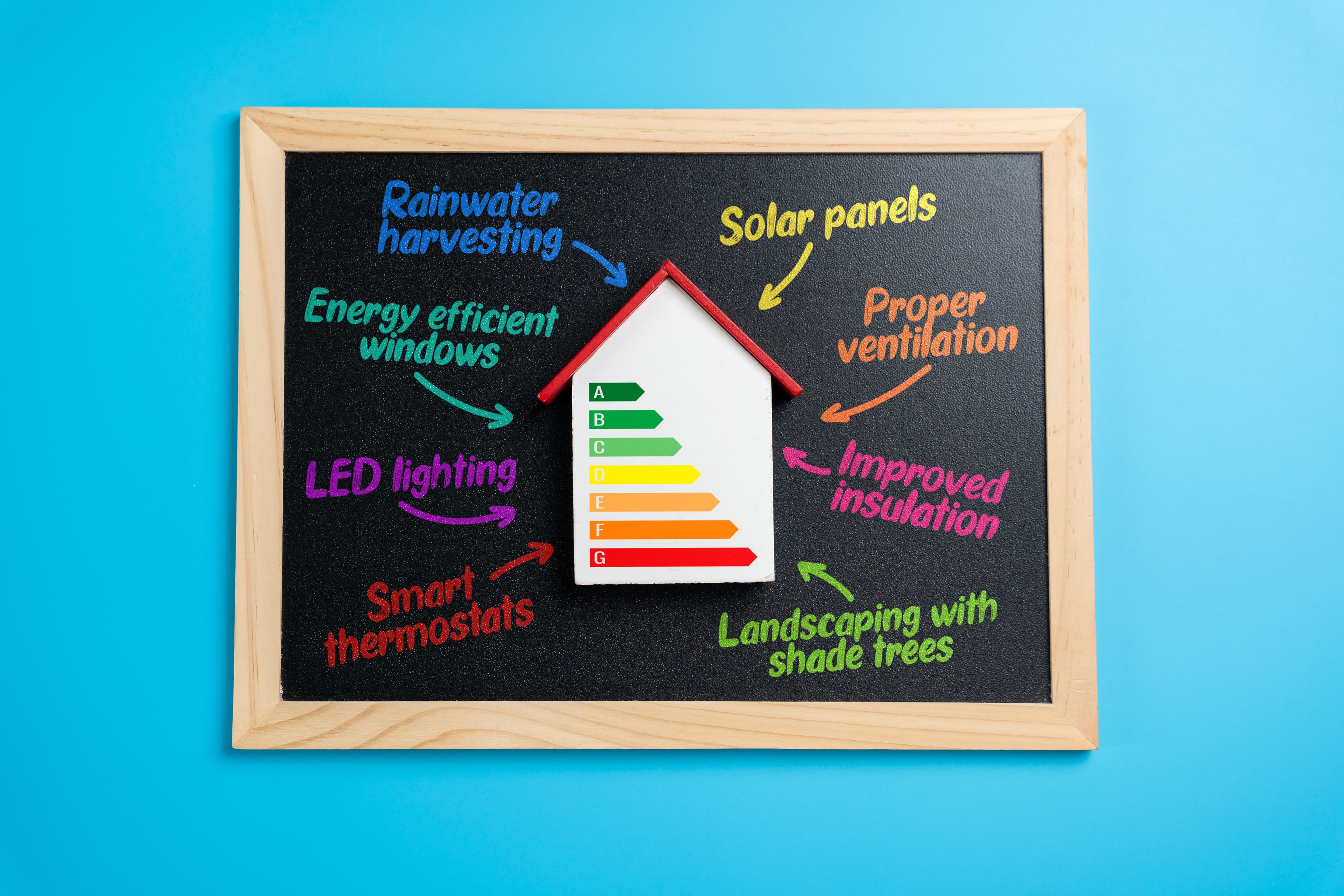
Energy efficiency and health are partners. A well insulated and airtight building maintains stable temperatures which supports restful sleep and reduces heat stress. Lower energy bills mean occupants are more likely to run dehumidifiers or air purifiers when they need them rather than switching off to save money.
Windows are often the weakest point in the envelope. In subtropical Queensland double glazing with a low solar heat gain coefficient on west and east façades prevents overheating while clear glass on the north side lets winter sun warm the interior. Overhangs remain vital because even low SHGC glass will struggle with direct summer sun.
Solar photovoltaic panels align perfectly with the daily cooling load. Peak solar output occurs during hot bright afternoons when air conditioners work hardest. A modest battery can then supply evening cooling and ventilation without drawing from the grid. Heat pump hot water systems that run on daytime solar further trim energy use.
Smart controls allow fine tuning. A temperature and humidity sensor can trigger a dehumidifier only when indoor relative humidity exceeds sixty percent. Ceiling fans with DC motors consume less than ten watts on medium speed which is a fraction of the energy of air conditioning.
Advanced Solutions Passive House and High Performance Approaches
The international Passive House standard provides a rigorous pathway to comfort and health in any climate including the humid subtropics. Passive House buildings use precise insulation levels, continuous airtightness, high performance windows and mechanical ventilation with heat and moisture recovery. The result is a home that needs very little active heating or cooling and provides filtered fresh air twenty four seven.
In Queensland the design must account for night time cooling potential and latent loads from humidity. Often that means slightly less insulation than a cold climate Passive House but a stronger focus on solar shading and dehumidification. Case studies from Brisbane show that a well designed Passive House can maintain indoor temperatures between twenty two and twenty six degrees with relative humidity under sixty percent while using less than half the energy of a standard six star NatHERS home.
Builders and designers need additional training and blower door testing equipment to meet the airtightness targets. Initial costs can be ten to fifteen percent higher yet ongoing savings in energy and medical bills can repay that premium over the life of the building.
New Build and Renovation Pathways
Whether starting from an empty lot or upgrading a classic Queenslander the principles remain the same yet the tactics differ. On a new build you can orient the slab perfectly and integrate roof overhangs and cross ventilation paths from day one. A renovation relies more on adaptive measures. Adding a skillion roof extension with high level louvres can capture prevailing breezes where solid walls once blocked them. External shading devices like sliding timber screens or adjustable aluminium blades retrofit easily and instantly cut solar gain.
Roof colour is one of the fastest temperature fixes. Repainting dark tiles or replacing dark metal with light coloured sheeting can lower roof space temperatures by up to ten degrees which then lowers ceiling surface temperature and reduces the need for cooling.
Below is a summary comparison of common interventions.
| Action | New Build Impact | Renovation Impact |
|---|---|---|
| Perfect north orientation of living zones | Full benefit achievable | Limited to possible room reconfiguration |
| Deep roof eaves | Easy to design in | Possible with awnings or pergolas |
| Mechanical ventilation with heat and moisture control | Integrated compact ductwork | Retro ducting may require bulkheads |
| Light coloured roof | Specified at planning stage | Repaint or re-roof can be staged |
| Physical termite barrier beneath slab | Installed once for life | Perimeter barrier or mesh retrofits |
Navigating Queensland Regulations and Ratings
All new detached houses and significant renovations require building approval under the Queensland Building Act. The National Construction Code 2022 edition sets minimum performance for health, safety, amenity and energy efficiency. Queensland maintains some state variations for termite protection and energy ratings that recognise the warm climate. Until May twenty twenty seven NCC twenty twenty two remains mandatory with optional early adoption of NCC twenty twenty five provisions.
For energy efficiency most builders follow the Deemed to Satisfy pathway using a house energy rating produced by NatHERS software. A six star rating is the minimum yet many healthy home advocates push for seven or more stars because higher ratings usually mean better insulation and airtightness which aid comfort and mould resistance.
Condensation provisions now require a risk analysis for climate zone two. Designers must show how roof spaces, wall cavities and interstitial layers will dry if moisture enters. Vapour permeable wall wraps on the outside of insulation allow outward drying while still shedding bulk water. Compliance officers may request a mould index calculation following the AIRAH DA07 method.
Termite protection is compulsory statewide. Queensland extends the protected timber list beyond the National Construction Code scope to include door jambs and skirtings. Any chemical treatment must also include a durable notice showing product type, date of installation and expected replenishment schedule.
Frequently Asked Questions
What makes a home healthy in subtropical Queensland
A healthy home stays between twenty and twenty six degrees with relative humidity below sixty percent for most of the year while providing a steady supply of fresh air. It resists termites, cyclonic winds and heavy rain, avoids materials high in volatile organic compounds and uses energy efficiently so occupants can afford to run ventilation and cooling systems when needed.
How do I stop mould growing in my Queensland home
Keep surfaces dry by combining good drainage, water tight construction and controlled ventilation. Run exhaust fans in wet areas, use dehumidify mode on air conditioning during sticky weather and repair any leaks promptly. Maintain indoor relative humidity under sixty percent and allow sunlight and airflow into cupboards that sit on external walls.
Is Passive House suitable for Brisbane and the Sunshine Coast
Yes. When designed for the local climate a Passive House delivers steady temperatures and filtered air while using very little energy. The design must place strong emphasis on shading and incorporate dehumidification either through the ventilation unit or a small split system. Many certified projects already exist in south east Queensland demonstrating the approach.
Do I need double glazing in a subtropical climate
Well specified double glazing on the hottest façades improves comfort by reducing heat gain and softening noise from urban areas. Clear single glazing on shaded north windows can still work if eaves block summer sun. Triple glazing is usually unnecessary and can increase the risk of overheating.
Can I retrofit my existing Queenslander to be healthier without rebuilding
Yes. Start with external shading, light coloured roofing, ceiling insulation upgrades and sealing obvious air gaps. Add mechanical ventilation or a dedicated dehumidifier for wet months and use low VOC paints when rooms need refreshing. These steps can transform comfort and indoor air quality without major structural work.
What is the best termite protection approach
A stainless steel mesh or graded stone physical barrier installed during construction provides long life protection with minimal maintenance. For existing homes a perimeter chemical barrier or reticulation system can be installed by a licensed pest manager. Always keep inspection zones clear and maintain the barrier as recommended.
Closing Thoughts
Building or renovating a healthy home in subtropical Queensland is entirely achievable with careful attention to climate responsive design, moisture management and material selection. By orienting for breeze and winter sun, shading relentlessly, ventilating intelligently and choosing low toxic finishes you create a sanctuary that supports respiratory health, mental wellbeing and lower energy bills. Add rigorous compliance with the National Construction Code and long term termite protection and your investment will endure through cyclones, heatwaves and the steady march of time while keeping every occupant cool, dry and thriving.