A late-night storm pushes a fast moving wall of water through the back door of a family home in Southport. By sunrise the rain has stopped, the tide has receded and the floor appears dry after a frantic session with towels, mops and every pedestal fan in the house. Ninety six hours later a musty smell drifts from the skirting boards, paint blisters appear near power points and a persistent cough troubles the youngest child. The owner did everything that looked sensible on the surface yet hidden moisture inside the walls is now turning a one-off flood into an ongoing health and structural headache. This is the moment many Gold Coast residents learn that real flood recovery hinges on structural drying rather than surface cleaning.
What structural drying actually means
Structural drying is the controlled removal of water that has migrated into the materials that give a building its strength and shape. That includes timber framing, plasterboard, insulation, subfloor cavities, particleboard flooring and even concrete slabs. The goal is to return those materials to a safe moisture level so mould cannot grow and so timber and boards do not swell, warp or rot.
Professionals work to the globally recognised IICRC S500 standard which sets out a clear sequence. First they assess safety. Then they extract standing water using truck-mounted or portable extraction units. Third they map moisture inside every suspect material with meters and thermal cameras. Finally they create a drying chamber with industrial air movers and low-grains per kilogram dehumidifiers. Throughout the job technicians record temperature, humidity and material readings in psychrometric logs until everything reaches pre-loss equilibrium. Only then can repairs or reinstatement start with confidence.
Why mops and household fans fall short on the Gold Coast
A mop lifts visible puddles but cannot reach water that has already wicked into plasterboard via capillary action. Household fans push air across a floor but do not reduce the absolute humidity inside the room. Domestic dehumidifiers remove some moisture from air yet they rarely achieve the airflow and grains-per-kilogram reduction required to pull water out of structural timbers.
Gold Coast properties face an extra hurdle. Average annual relative humidity sits between sixty and seventy per cent and summer peaks often exceed eighty per cent. Warm wet air slows evaporation from inside walls because the vapour pressure differential is low. In short the local climate makes hidden water stubborn. Delays of twenty four to forty eight hours allow mould spores to germinate and anchor themselves in cellulose-rich plasterboard paper and timber studs.
The journey of water inside a flooded home
Water flows to the lowest point first. It seeps under floating floors and into the tiny gap between concrete and carpet underlay. From the floor line it can climb internal timber framing through capillary action. Insulation inside walls soaks up water like a sponge and then prevents airflow that might have assisted drying.
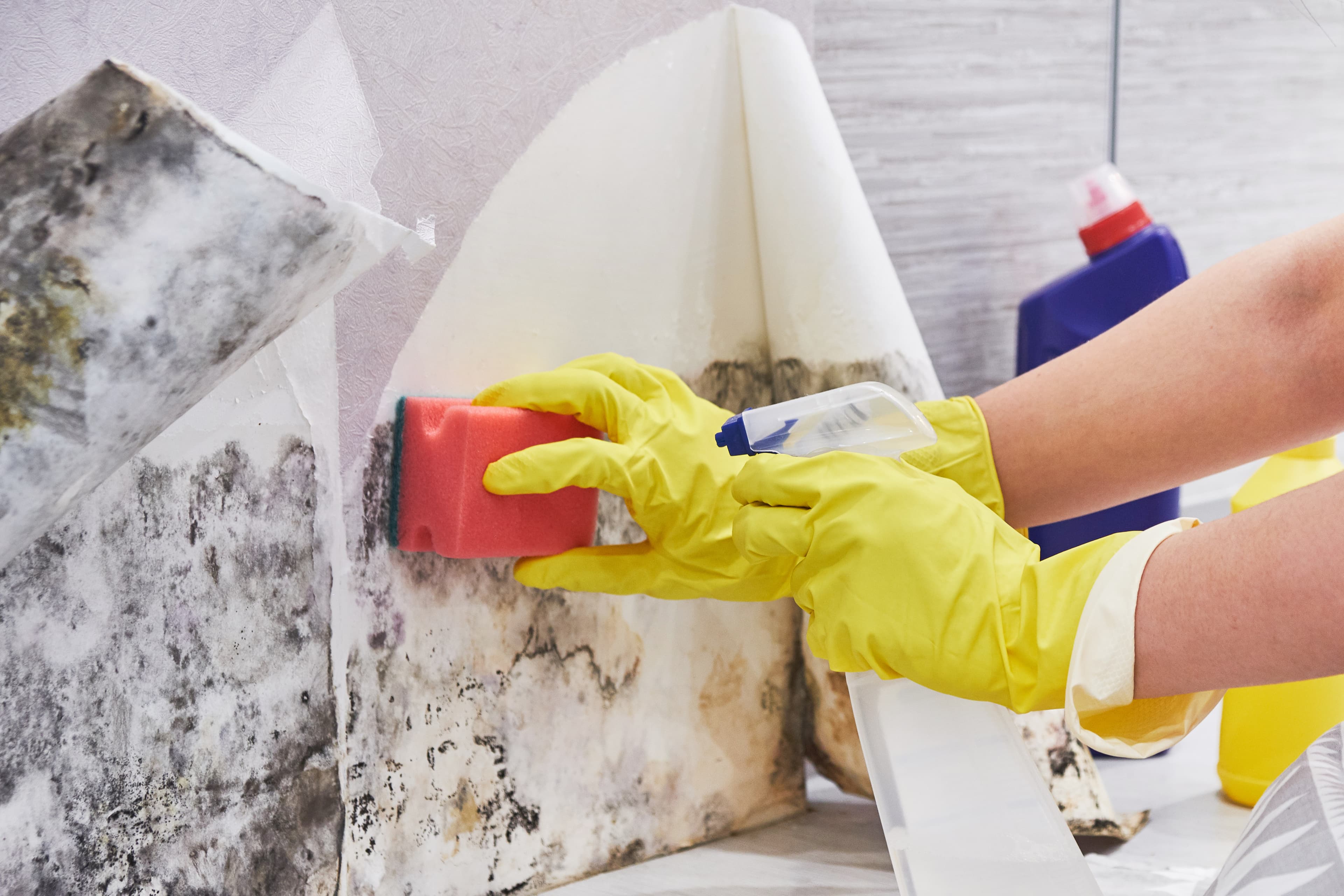
In a typical brick veneer Gold Coast home the cavity between the internal plasterboard and external brickwork becomes a damp greenhouse. Moist air condenses on cooler surfaces overnight and drips down behind skirting boards. The occupant who touched a seemingly dry wall on day two now wonders why the paint bubbles on day six.
Real risks of incomplete drying
The most obvious consequence is mould. Spores are everywhere in coastal air and only await the combination of moisture, warmth and a food source. Mould colonies can start within a day and become visible after as little as three days. The Work Health and Safety Act expects owners and employers to manage biological hazards so failing to treat moisture can create legal exposure as well as health issues such as asthma flare-ups or allergic reactions.
Structural failure is the silent partner. Continuous high moisture weakens the bond between plasterboard core and paper liner causing sagging ceilings. Hardwood joists can lose load capacity through fungal decay. Particleboard sheeting swells then crumbles once dry again. All of these problems cost many times more to rectify than a prompt professional drying program.
Insurance complications follow. Most insurers require evidence that restoration work met recognised standards. A DIY attempt without moisture logs or equipment calibration certificates makes a loss adjuster suspicious. Claims for secondary damage like mould remediation or timber replacement may be declined on the basis that the owner failed to mitigate the loss.
Professional drying workflow inside a Gold Coast residence
Safety inspection and moisture mapping
Technicians first check electrical systems because water and live wiring form a well known hazard. They also test for contaminants in flood water which on the Gold Coast may include salt from storm-driven seawater or sewage from overloaded infrastructure.
Using non-invasive meters they measure moisture content of plasterboard, studs, base plates, skirting boards and flooring. Thermal imaging cameras highlight cold damp patches behind paint. The assessment defines the scope and sets baseline readings against which progress can be measured.
Extraction of standing and trapped water
High-capacity extraction wands remove litres of water from carpet and underlay in minutes. Weighted extraction tools compress the floor covering to push water upward into the vacuum. Nose bleeds, headaches and persistent odours often trace back to carpet left saturated for too long.
Establishing an engineered drying environment
Technicians create an airflow pattern that crosses wet surfaces at forty five degrees which lifts free water molecules. They balance air movers with refrigerant or desiccant dehumidifiers sized to room volume. Doors and windows stay closed to stop humid exterior air entering. Where cavities are wet, small holes at skirting height allow injection of warm dry air.
The team visits daily or remotely monitors data loggers. When meter readings parallel those from unaffected materials they start equipment demobilisation.
Verification and reporting
A final inspection compares readings to Australian Standards references or manufacturer guidelines for timber equilibrium in South East Queensland conditions. Reports include detailed graphs and site photos. Owners forward these to insurers and keep them for future buyers.
Comparing surface drying and structural drying
| Factor | Mop and Household Fans | Professional Structural Drying |
|---|---|---|
| Water removed | Visible surface only | Surface plus cavities, subfloors and insulation |
| Equipment capacity | Low airflow, low moisture removal | High airflow, high dehumidification with humidity control |
| Monitoring | None | Daily moisture mapping with calibrated meters |
| Typical drying time | Uncertain often incomplete | Two days to three weeks depending on extent |
| Compliance with standards | No | Meets IICRC S500 and QBCC guidelines |
| Insurance acceptance | Rare | Widely accepted when documented |
Legal and regulatory frame for Gold Coast homeowners
Queensland Building and Construction Commission legislation requires a licensed contractor for residential building work above three thousand three hundred dollars. Structural drying often pairs with reinstatement works that exceed this threshold. The National Construction Code and Queensland Development Code also influence how replacement materials must perform in flood prone areas, particularly regarding water resistant linings and elevated floor levels.
The Work Health and Safety Act sets out a duty to eliminate or minimise risks to health. Mould spores and bacteria from stagnant water fall squarely within biological hazards. Fines apply when owners or employers ignore obvious growth.
The IICRC S500 standard does not sit in legislation but insurance policies routinely reference it as the benchmark. Following its steps gives owners a clear defence if disputes arise.
Time frames you can expect on the Coast
Severity of water ingress and building composition dictate the schedule. A single room with vinyl flooring and concrete slab may reach dry standard in forty eight hours. A two-storey timber frame home with insulation in every wall can push the program past ten days. High ambient humidity during a late summer storm may slow progress despite correct equipment sizing. Professional teams adapt by adding desiccant units that work efficiently even when the dew point is high.
Signs that your home needs expert help now
Water rose above skirting level. Carpets squelch underfoot. Paint blisters within a week. An earthy smell lingers despite cleaning. Power points crackle or trip breakers. Any of these warnings argue strongly for immediate assessment.
Frequently asked questions
What is structural drying in simple terms
It is the science based process of pulling unwanted moisture out of the actual building materials, not just off the floor surface, until those materials return to a safe level that prevents mould and damage.
Why are mops and fans not enough after my Gold Coast home floods
Mops pick up surface water and fans move air across the room but neither tackles the moisture locked inside walls, flooring and timber which is where long term problems begin, especially in the humid coastal climate.
How long does professional drying usually take
Drying may finish in two or three days for a minor bedroom flood yet complex multi room events can take up to three weeks, with daily readings guiding the exact finish date.
What happens if walls and floors do not dry properly
Hidden moisture leads to mould colonies, warped flooring, bubbling paint and weakened framing, all of which cost more than early professional drying and can trigger health issues.
Can I stay in my home while the drying gear runs
That depends on the extent of damage and any contamination. Technicians will advise, taking into account power safety, trip hazards from equipment and indoor air quality during the process.
Does insurance cover professional structural drying
Many policies include water damage when the cause is an insured event such as a burst pipe or storm. Flood cover, which is defined separately, must be in place to claim for overland inundation. Insurers usually accept documented drying invoices and reports.
How do technicians know when the house is actually dry
They compare moisture meter readings from affected materials with readings from dry areas or industry charts that show safe equilibrium levels for timber and plasterboard in South East Queensland conditions.
Is structural drying only for large floods
Any time water has entered wall cavities, subfloors or insulation layers, even from a small overflow, structural drying becomes necessary to avoid hidden mould and material degradation.
Building resilience against future flooding
Gold Coast City Council planning schemes encourage elevated floor construction in mapped flood zones. Retrofitting options exist for existing houses. Installing non absorbent floor coverings in lower levels, sealing external wall penetrations and improving yard drainage all reduce risk. Keeping gutters clear and ensuring downpipes discharge well away from footings minimises minor intrusions. Having a professional restoration provider on speed dial shortens the critical delay between water entry and drying commencement.
Ready for real recovery instead of surface solutions
A soaked Gold Coast home demands more than a bucket brigade and a few fans. Structural drying backed by science, standards and professional oversight is the difference between a clean healthy residence and an expensive lingering nightmare. If water has breached your doors call a licensed local team without delay. Trained technicians can map the hidden dampness, dry the structure to safe levels and deliver the documentation that keeps insurers and future buyers satisfied. Your home, health and peace of mind are worth the right response from the start.