Mortgage rates started easing in late 2025 and open homes now fill up fast every Saturday, especially when the sign reads brand-new construction. First time buyers and upgraders alike are flocking to off-the-plan apartments, turnkey house-and-land packages and custom builds because they want modern layouts, strong energy ratings and that fresh-paint smell that no renovation can replicate. Yet buying a new home in Australia still carries pitfalls that can cost tens of thousands of dollars if you miss a single step. This long form guide brings every task together in one place so you can move from daydreaming to moving-in without nasty surprises. It draws on the National Construction Code, state statutory warranties, the 2026 grant rules and real market data to create the ultimate checklist you can trust. Print it, share it and tick each box with confidence.
Step 1 Get Your Finances Ready
Building or buying a new dwelling begins with a frank look at money. Lenders and governments currently reward new builds more than established homes, but they will only release those benefits if you show that you can carry the purchase through to settlement and beyond.
Deposit size remains the first hurdle. Australian lenders still prefer twenty percent to avoid Lenders Mortgage Insurance, yet the Federal First Home Guarantee now backs deposits as low as five percent for eligible purchasers of new property up to the price caps that vary by region. Because the guarantee waives LMI premiums that can top thirty thousand dollars in Sydney, it operates like an instant saving that otherwise would take years to accumulate.
Upfront purchase costs sit on top of the deposit. Legal fees normally range from one thousand to two thousand five hundred dollars depending on the complexity of the contract, while building and pest inspections on a new dwelling usually cost between five hundred and one thousand dollars. Stamp duty remains the largest single outlay after the purchase price. Every state and territory still runs its own duty schedule in 2026, although concessions for new dwellings keep growing as governments compete for construction activity. A Victorian couple buying a six hundred thousand dollar townhouse off the plan currently pays no duty at all, whereas a Queensland buyer of a seven hundred and fifty thousand dollar house-and-land package still enjoys a partial concession that saves around fifteen thousand dollars.
Carry costs must appear in your budget as well. New apartments charge strata levies that start around six thousand dollars per year in metropolitan complexes with lifts and shared gardens. Free-standing houses avoid strata but pick up higher council rates and full insurance premiums instead of block insurance. Interest rates vary by lender but Reserve Bank data from April 2026 shows the average variable owner-occupier rate hovering at five point five percent, down half a point from the December quarter. Plug that figure into your lender calculator with the loan size that matches your price cap to see monthly repayments.
Pre-approval converts these calculations into bargaining power. Most major lenders can issue a sixty to ninety day pre-approval within forty-eight hours if your payslips, tax returns and savings history are in order. Off-the-plan contracts often run for two years until completion, so many buyers seek a renewed approval or a long validity letter that covers construction. Brokers advise factoring a one percent rate rise during that period to protect against serviceability shocks if the Reserve Bank tightens again.
Finally, explore every incentive. The table below shows the headline First Home Owner Grant for new dwellings and the current stamp duty relief by jurisdiction.
| State or Territory | Grant for New Home Buyers | Duty Relief Thresholds in 2026 |
|---|---|---|
| New South Wales | Ten thousand dollars on purchases under six hundred thousand dollars | Full exemption below eight hundred thousand dollars, sliding concession up to one million |
| Victoria | Up to ten thousand dollars, with additional relief for family violence victim-survivors | Full exemption below six hundred thousand dollars |
| Queensland | Fifteen thousand dollars on contracts under seven hundred and fifty thousand dollars | Concession ranges saving up to seven thousand one hundred seventy five dollars |
| Western Australia | Ten thousand dollars on property under seven hundred and fifty thousand dollars | Full exemption below four hundred fifty thousand dollars |
| South Australia | Fifteen thousand dollars on qualifying new builds | Concession worth up to thirty four thousand dollars on new homes |
| Federal Guarantee | Five percent deposit with no LMI, no grant cash | Not applicable |
The revenue offices pay the grants after settlement and claw them back if the home is not your principal place of residence for the required period, usually twelve months. Keep every receipt and apply through your conveyancer immediately after the transfer.
Step 2 Define Your New Home Wishlist
With your financial ceiling fixed you can turn your mind to the lifestyle and investment goals that will drive property selection. New homes give buyers more choice than established ones, so write a clear wishlist that balances must-haves with nice-to-haves.
Location still reigns supreme. Commute times, school catchments, hospital access, and public transport all influence capital growth and day-to-day happiness. State planning portals map future rail lines, motorway interchanges and town centre upgrades. Buy near infrastructure scheduled within the next five years and you may enjoy price uplift even before completion.
Orientation and design matter even more for new construction because you can often tweak the plans. Northern living areas capture winter sun and minimise reliance on heating, a feature that aligns with the energy efficiency requirements in Part J of the National Construction Code. Ceiling heights, kitchen position, and bedroom separation all contribute to liveability. Ask the builder for daylight modelling or visit the display-home version of your chosen plan at various times of day.
Consider lot specifics if you are taking the house-and-land route. Soil classification influences slab costs and landscaping options. Reactive clay sites common around Melbourne’s west need deeper footings and can add fifteen thousand dollars to the base price. A contour survey reveals slope, which may mandate retaining walls or split-level construction. Check for easements that block pools or sheds and review council overlays for bushfire or flood risk.
Finally, future proofing extends beyond new appliances. Look for electric vehicle charging capacity in the garage, conduit for solar inverters, and fibre-to-the-premises internet. Builders now offer upgrade packs for about eight thousand dollars that bundle these items far cheaper than retrofitting them later.
Step 3 Research and Shortlist
Armed with a defined brief, start scanning the market with purpose rather than wandering through every new estate launch. Price per square metre provides a useful comparison across different property types. For apartments include car spaces and storage cages in your calculation. For house-and-land deals include landscaping, driveway, letterbox and fencing to compare true turn-key packages.
Developer reputation is the single biggest differentiator in the new build space. A quick company search with your state’s building regulator reveals licence class, disciplinary history and any tribunal decisions. Ask for a list of completed projects and visit them on a weekend. Chat to residents about build quality and after-sales service. Major banks often maintain an internal whitelist of preferred developers for off-the-plan loans, so a red flag from your lender can save a future headache.
Off-market opportunities are growing as builders grant early access to mailing lists before major public releases. A buyer’s agent or mortgage broker with builder relationships can secure priority lots or pre release apartment floors that never hit the portals. Because pre release stock sometimes carries a two percent rebate in exchange for early commitment, these deals can lock in equity before construction begins. Just remember that genuine off-market listings still come with a proper contract, full cooling-off rights where state law provides them and the same due diligence obligations as public listings.
Step 4 Inspect and Carry Out Due Diligence
New homes might sparkle on the surface, yet hidden defects or contract traps can empty your wallet long after settlement. In this stage you shift from browsing to forensic investigation.
A licenced building inspector remains essential even on brand new premises. They verify National Construction Code compliance certificates and spot workmanship issues that a valuer or lender representative may miss. Common problems include inadequate waterproofing in bathrooms, roofs without sarking in bushfire overlay zones and insufficient insulation batts that void the six star energy rating paperwork. Inspectors typically complete a room by room handover report a week before settlement, giving the builder time to fix defects.
Legal due diligence starts with the contract of sale. Off-the-plan contracts often run over one hundred pages because they bundle strata by-laws, building specifications, sunset date clauses and variation allowances. Your solicitor must test every clause against the latest state legislation. In New South Wales for example a sunset clause that allows a developer to cancel the contract without the buyer’s consent is void unless the Supreme Court grants leave. Victoria imposes similar protections.
The conveyancer orders searches that cover title, council rates, water rates, zoning certificates and, where relevant, building approvals for any completed works. Because you are buying a new property you also want the certificate of occupancy or final inspection certificate from the local council. For strata schemes request the strata report so you can assess forecast levies, insurance coverage and the initial maintenance fund.
New builds above twenty thousand dollars in most states trigger compulsory home warranty cover. This insurance pays for structural defects for six years and non-structural defects for two years if the builder becomes insolvent, dies or disappears. Confirm that the policy exists and that it names you as the beneficiary before you sign or pay any deposit.
The table below condenses the major due diligence items so you can tick them off methodically.
| Category | Key Items to Confirm |
|---|---|
| Site and Location | Zoning compatible with intended use, flood or bushfire overlays, nearby infrastructure projects, soil classification report |
| Design and Specifications | Orientation suits climate, energy rating certificates, ceiling heights, electrical and data points, allowance for future solar or EV charger |
| Developer and Builder | Current licence with state regulator, completed projects inspected in person, no disciplinary findings, home warranty insurance in place |
| Legal and Contract | Cooling off rights, deposit percentage, sunset clause conditions, inclusions list matches marketing material, progress payment schedule aligns with lender requirements |
| Financial Readiness | Pre approval valid for settlement timeframe, stamp duty concession confirmed, grant eligibility confirmed, contingency fund for variations and landscaping |
| Inspections | Independent building inspection booked, defects list created, builder rectification timeframe agreed, occupancy certificate ready for settlement |
Work through each line and document the evidence in a shared folder so that your broker, solicitor and partner can cross-check progress.
Step 5 Make the Offer, Secure Finance and Settle
When every box above shows green you can finally commit with confidence. New builds usually involve a standard contract price rather than the auction theatre that dominates established homes, but you can still negotiate. Builders frequently offer upgrades such as stone benchtops or higher ceiling heights as part of seasonal promotions. In a softer month you may secure both a rebate and specification improvements that together equal five percent of the package value.
Sign the contract in the presence of your solicitor and transfer the holding deposit, commonly five percent for house-and-land or ten percent for off-the-plan apartments. The deposit goes into a trust account that remains frozen until settlement or, for apartments, until the developer calls on progress payments after slab pour or other milestones if the contract allows it.
Final loan approval follows quickly once the lender receives the signed contract and updated valuation. For off-the-plan purchases the bank might issue a conditional approval that lasts until the building nears completion, at which point you provide a fresh pay slip and a valuation inspection occurs. Keep your credit behaviour clean until settlement because a large personal loan or a missed credit card payment can derail unconditional approval.
Settlement periods vary. A turnkey house-and-land package might settle within twelve weeks of contract signing if the home already stands finished. Custom builds can take eight to ten months, while large apartment towers stretch to two years. Maintain regular contact with the site supervisor for houses or the developer liaison for apartments so you receive progress photos and certificates that satisfy both you and the lender.
On settlement day your conveyancer exchanges cleared funds for title transfer and keys. Attend the final walkthrough to ensure every agreed defect has been fixed. Test appliances, open and close windows, run taps and flush toilets. If any issue emerges record it in writing before you hand over that final signature.
Step 6 Post Settlement Obligations and Warranty Management
The move in day euphoria often masks the administrative tasks that safeguard your investment. Register the title with Land Registry Services if your solicitor has not already completed electronic lodgement during settlement. Update the Australian Electoral Commission, Medicare, your employer payroll and all subscription services with the new address so correspondence reaches you.
Builders must provide a maintenance manual outlining care instructions, appliance warranties and the process to lodge defect claims. Diary the ninety day maintenance inspection which is common across many volume builders. During those first three months doors and windows can settle, plaster joints may crack and paint can show blemishes. List every item and email the builder within the timeframe specified, attaching photos to avoid disputes.
Structural warranty claims can stretch up to six years. Common structural faults include slab heave, roof frame movement and waterproofing failure in balconies. Insurance schemes such as New South Wales Home Building Compensation Fund or Victoria Domestic Building Insurance activate if the builder refuses to rectify valid defects or enters liquidation. Keep every invoice, email chain and inspection report because evidence speeds up the claim process.
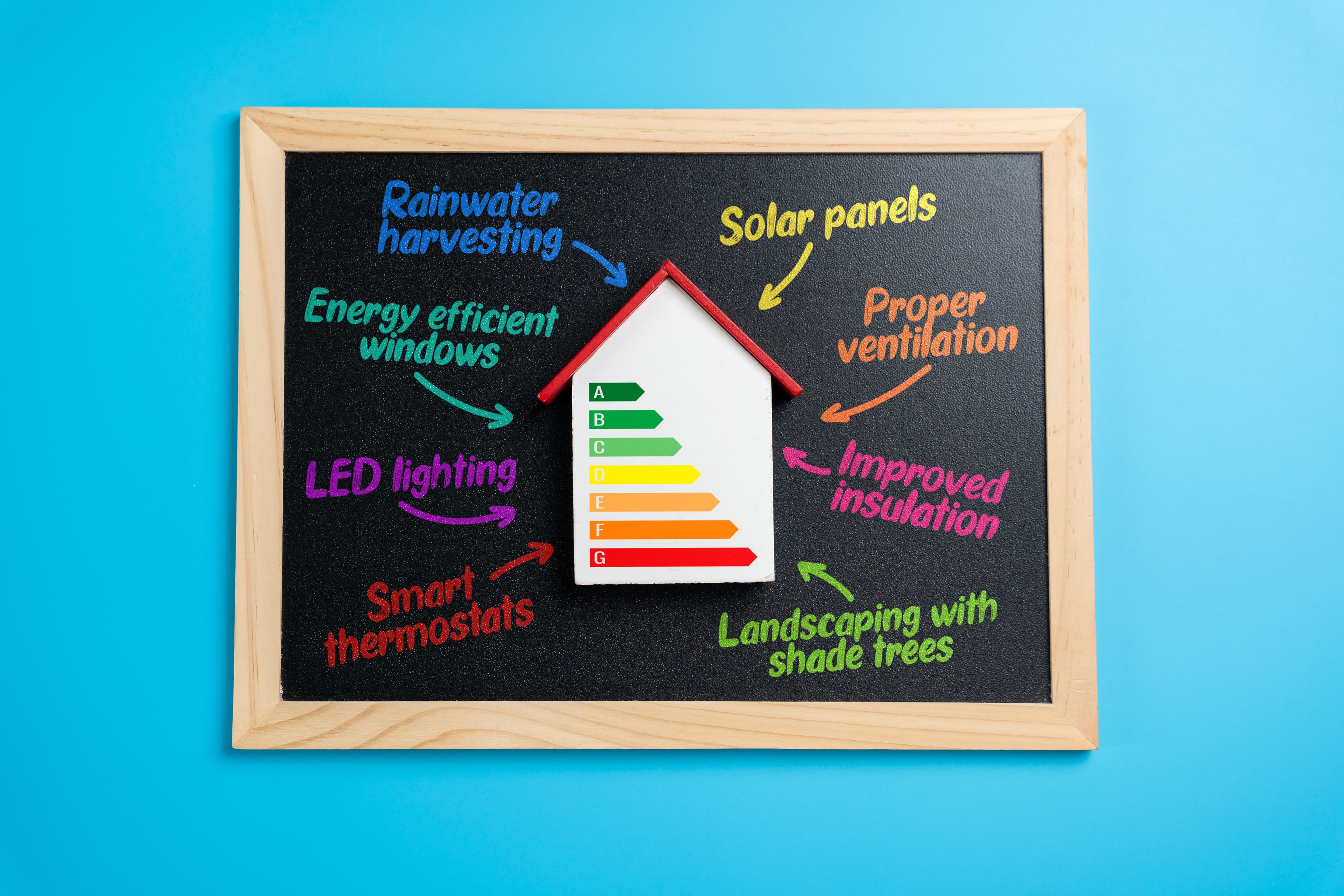
Energy performance also deserves monitoring. Check your first winter power bill against the thermal assessment predictions supplied at contract stage. If consumption appears higher than modelled, schedule an infra-red scan to find insulation gaps or air leaks that the builder can fix under the statutory energy compliance obligations.
Frequently Asked Questions
What is the main difference between buying a new home and buying an established dwelling
A new home allows customisation and comes with statutory warranties for structural integrity and fixtures, whereas an established dwelling carries no builder defect cover and may hide wear that triggers renovation costs. New homes can attract higher upfront expenses for landscaping and window furnishings but deliver better energy performance that reduces ongoing bills.
Do I need loan pre approval before inspecting new construction
Yes. Builders increasingly request evidence of finance capacity before allocating lots or apartment reservations because construction timelines rely on committed purchasers. A pre approval sets your search budget and fast tracks contract acceptance.
How can I check a developer’s reputation
Search the builder licence on the state regulator website for any suspensions, read consumer tribunal decisions, visit completed projects on weekends and talk to residents about after sales service. You can also ask lenders and brokers which developers appear on their approved panels.
What grants are available for new home buyers in 2026
Every state still offers a First Home Owner Grant on qualifying new builds, ranging from ten thousand to fifteen thousand dollars. Most states also waive or discount stamp duty under certain price thresholds. The Federal First Home Guarantee lets eligible buyers use a five percent deposit without paying Lenders Mortgage Insurance.
Can I customise fixtures and finishes in an off the plan apartment
Many developers offer colour schemes and upgrade packages during an early selections meeting. Confirm the costs in writing, pay variation deposits if required and ensure all selections are listed in the contract schedule of finishes so you have legal recourse if the final product differs.
Conclusion
Buying or building a new home in Australia feels thrilling and daunting at the same time. The process involves more stages than purchasing an established dwelling yet offers powerful advantages in energy efficiency, layout flexibility, warranty coverage and potentially lower repair bills. By following the steps in this ultimate checklist you move from curiosity to contract to keys with full knowledge of your rights, obligations and the hidden traps that catch less prepared buyers. Download the printable PDF version through the link below, keep it on your phone or fridge and share it with anyone else hunting for that unmistakable feeling of walking into a brand new Australian home that you own outright.