Renovating a kitchen on the Gold Coast feels exciting because the result can add real value to a home and improve daily living. Yet many homeowners discover too late that simple oversights in approval, licensing or safety create expensive setbacks. This article explains the pitfalls that keep appearing in Queensland building audits, shows the current legal framework in plain English and provides a clear path for finishing a kitchen upgrade without fines or future insurance dramas.
Why Gold Coast Kitchens Face Unique Compliance Pressure
The Gold Coast sits inside a rapidly growing region where buyers expect modern open-plan kitchens. That demand has produced a constant flow of small and medium scale refurbishments. At the same time Queensland law treats any structural, plumbing or electrical change in a wet area as building work. Because most kitchens involve at least one of those changes, the project usually requires a building development approval through a private certifier, notification of plumbing work to the Queensland Building and Construction Commission, and electrical certificates under the Electrical Safety Act. Local councils keep records that show a spike in infringement notices for unapproved kitchen works since the staged rollout of the National Construction Code 2022, especially after October 2023 when livable housing standards took effect for wet areas. The result is greater scrutiny than ever before, and renovators cannot rely on the old belief that an internal makeover flies under the compliance radar.
The Biggest Mistake Homeowners Still Make
Homeowners still assume a kitchen upgrade is a cosmetic task that does not trigger the Building Act 1975. Reality is different. The moment a wall moves, a floor waste is installed, or new plumbing lines run through cupboards, the law classes the project as assessable development. A private certifier must review drawings, issue a building development approval and inspect key stages. Skipping this step carries two layers of risk. First, the Queensland Building and Construction Commission can impose on-the-spot fines or prosecute, leading to penalties above forty thousand dollars. Second, insurers can decline a later building claim because the work lacked certification. In short, the greatest mistake is trusting verbal advice from an unlicensed tradesperson who says a permit is not needed. Always confirm with a licensed certifier who carries professional indemnity cover.
The Licensing Trap
Queensland maintains one of the strictest licensing regimes in Australia for building trades. Any building work valued above three thousand three hundred dollars, including materials and GST, must be carried out by a contractor with an appropriate QBCC licence. For kitchens the relevant class is Builder Restricted to Kitchen Bathroom Laundry. A plumber must also hold a current plumbing licence and an electrician must carry an electrical work licence. Homeowners sometimes attempt to save money by engaging a handyman who claims decades of experience. If work is discovered by a QBCC audit, the homeowner as responsible party will still receive infringement notices and can be ordered to open walls for inspection. Engaging licensed professionals protects both parties because the contractor’s licence automatically provides eligibility for QBCC Home Warranty Insurance on projects up to two hundred thousand dollars.
Plumbing and Drainage Pitfalls
Queensland’s Plumbing and Drainage Act 2018 defines notifiable work that includes replacing or relocating sinks, dishwashers and any change to the cold or hot water system inside an existing dwelling. Licensed plumbers lodge the work with QBCC through an online portal within ten days of completion. The lodgement fee is modest, yet failure to lodge attracts infringement penalties that start near three thousand three hundred dollars. Another common mistake involves alterations to gas lines for cooktops without booking a Type A gas fitter. Non-compliant gas work carries even steeper fines and creates genuine safety hazards. Homeowners must ensure the plumber provides a Form 4 compliance certificate and gas fitters issue a Gas System Compliance Certificate before cabinetry hides the pipe work.
Electrical Compliance Essentials
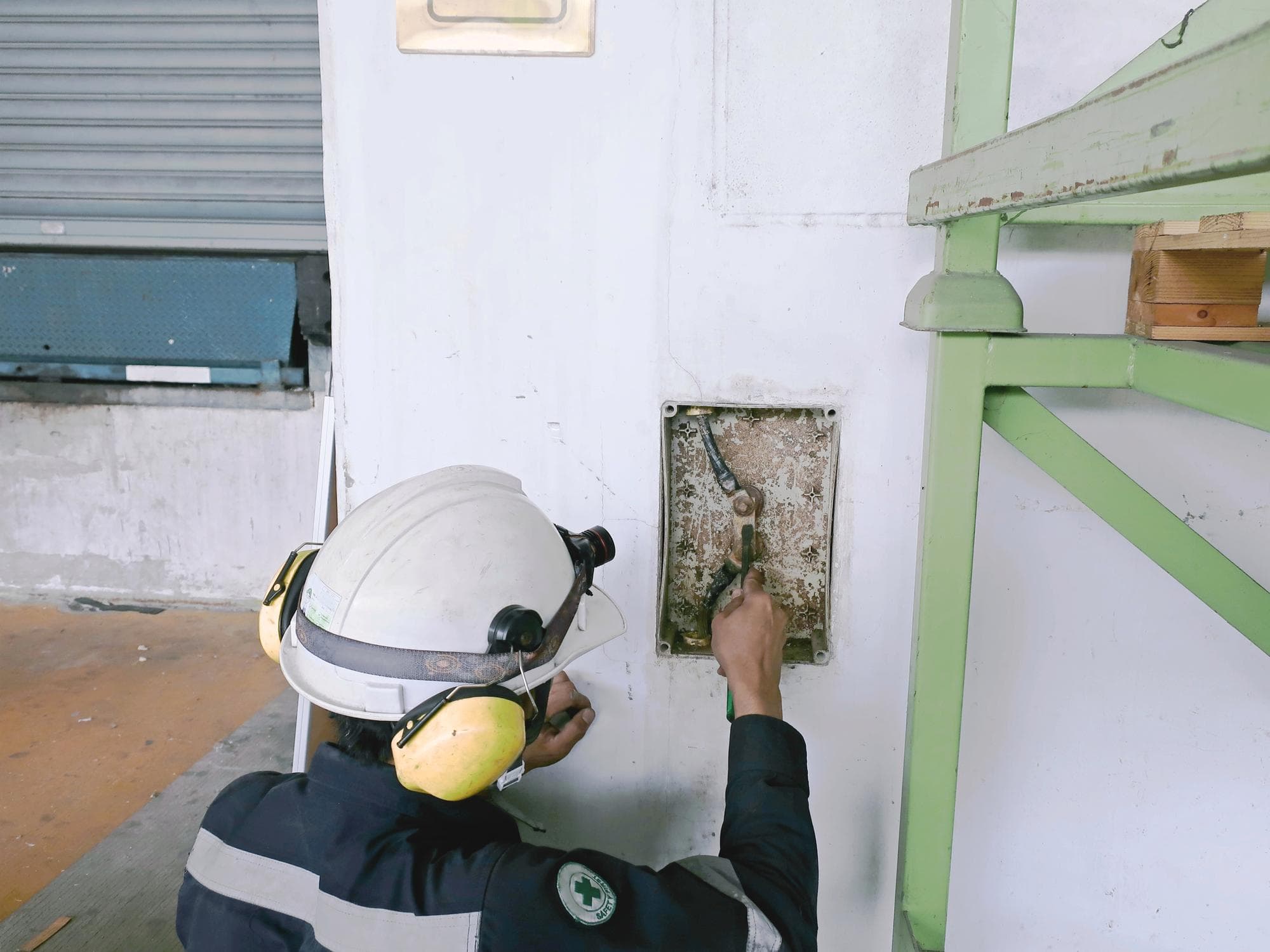
Kitchens rank among the highest risk areas for electrical incidents because of water proximity. The Electrical Safety Act 2002 requires safety switches on final subcircuits and mandates licensed work for any rewiring or new circuit installation. New appliances such as induction cooktops usually demand higher current draws, so switchboards might need upgrades. Electricians issue either a Certificate of Testing and Safety or a Form 16 for structural building work inspected by a certifier. DIY wiring remains illegal regardless of the scope, and penalties include both fines and potential jail sentences for repeat offences. Insurance companies frequently reject fire claims where evidence shows amateur wiring.
National Construction Code Changes That Catch Renovators Off Guard
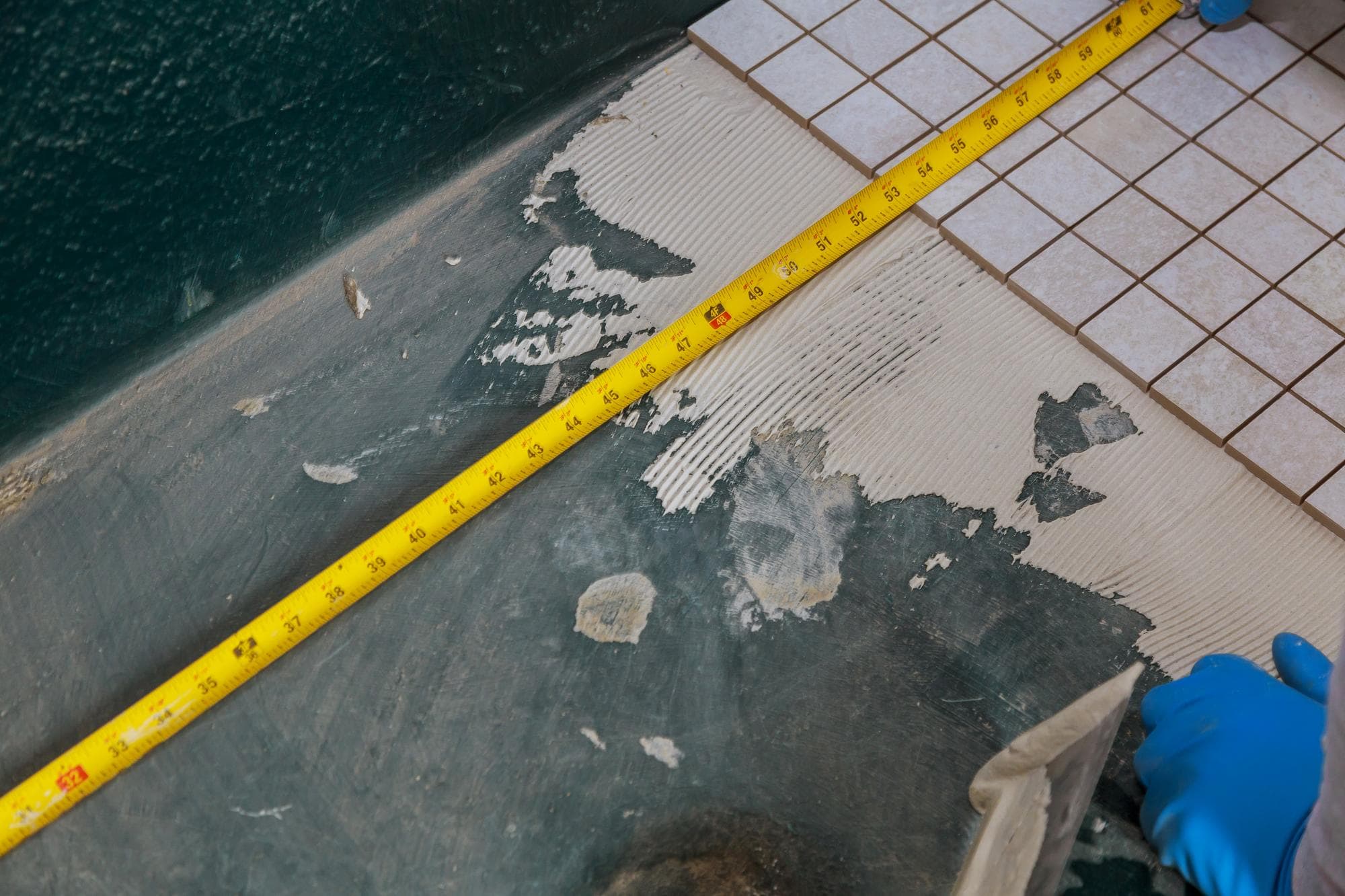
The 2022 edition of the NCC introduced livable housing standards and updated waterproofing rules for wet areas. From October 2023 all new or renovated wet areas in Queensland Class 1 buildings must include a graded floor that falls to an approved floor waste or linear drain. The Code also lifts energy efficiency obligations that affect appliance selection and lighting layouts. Many pre-designed flat-pack kitchens sold online still omit details for compliant falls or splashback heights. Gold Coast certifiers report a jump in requests to retrofit compliant waterproofing membranes after tiled splashbacks failed inspections. Budget allowances should therefore include professional waterproofing using products with current CodeMark certification.
The Asbestos Time Bomb in Pre-1990 Homes
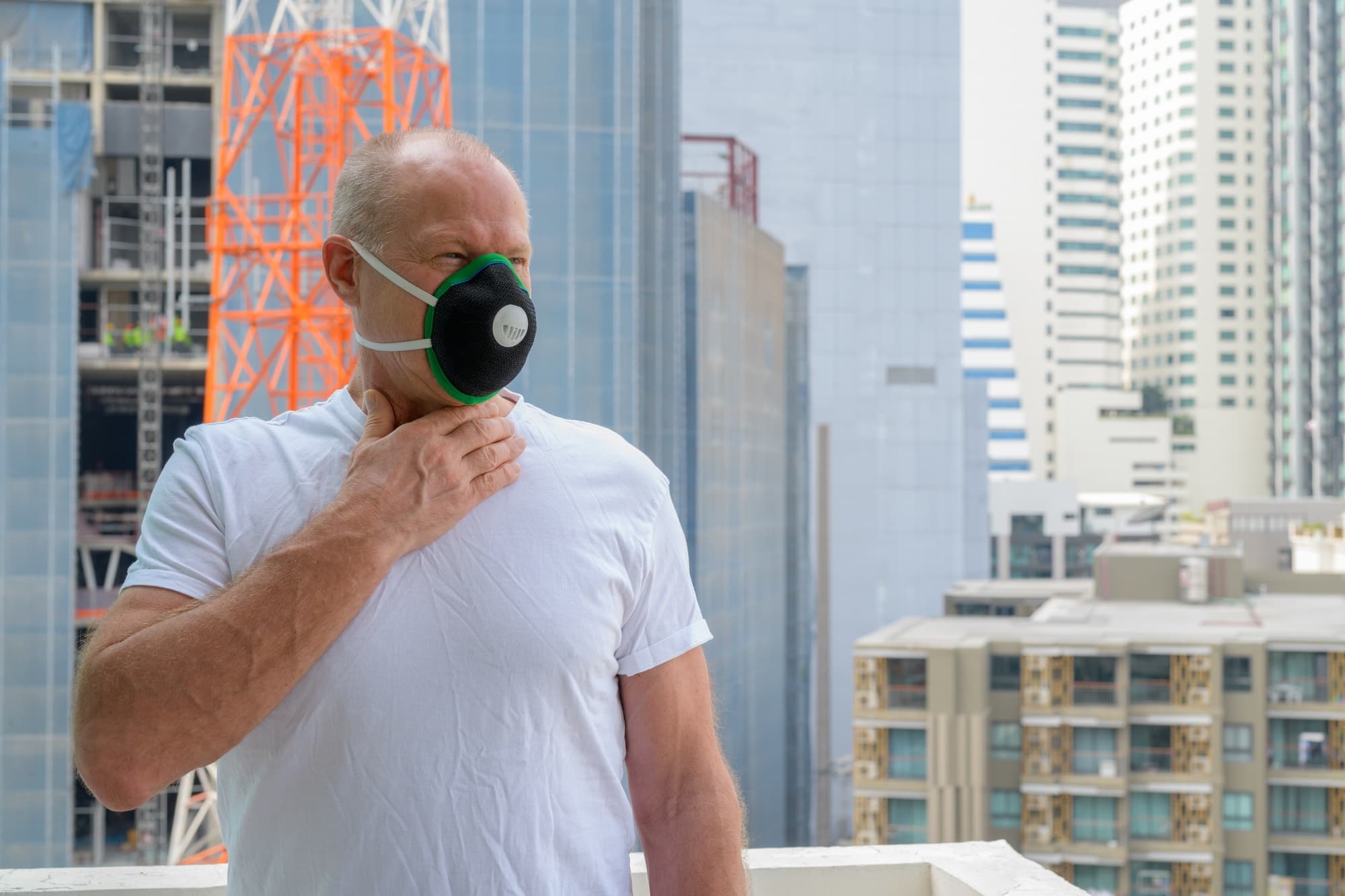
More than half of detached houses built on the coastal strip before 1990 include some form of bonded asbestos sheeting, often behind old splashbacks or in vinyl floor tiles. Under the Work Health and Safety Regulation 2011 anyone removing more than ten square metres of bonded asbestos must hold a class B removal licence, and friable asbestos needs class A. It is never safe to assume a kitchen wall is asbestos free because test kits can confirm within days. If asbestos is present, licensed removal and safe disposal at an approved facility is mandatory. Failure to follow procedure exposes occupants to hazardous fibres and attracts fines in excess of ten thousand dollars as well as possible prosecution.
Finance and Contract Errors That Void Protections
Queensland consumer law ties QBCC statutory warranties and deposit limits directly to the written contract value. A written contract is compulsory for residential building work above three thousand three hundred dollars. Deposits cannot exceed ten per cent for work under twenty thousand dollars or five per cent for work above that mark unless the contract allows off-site fabrication. Homeowners sometimes pay larger cash advances to secure discounted materials or priority scheduling. Doing so removes the layered protection of the QBCC contract regime and can void Home Warranty Insurance if the contractor becomes insolvent. Always insist on the QBCC level one contract template for jobs up to twenty thousand dollars or the level two template for larger works. These contracts provide clear progress payment schedules and dispute resolution clauses.
Planning Scheme Nuances on the Gold Coast
Most internal renovations in detached dwellings on the Gold Coast do not require a separate planning approval because the City Plan lists them as accepted development. However, homes within heritage overlays, flood hazard areas or coastal erosion precincts might trigger additional conditions. For example, a kitchen window relocation that alters the external façade in a heritage streetscape may need a planning application even though the building work remains internal. A quick search of the property address through the Gold Coast City Council development.i portal reveals any planning overlays. Checking this before lodging a building application avoids the embarrassment of a stop-work order served mid-project.
The True Cost of Non-Compliance
The following table summarises recent penalty figures sourced from QBCC and the Electrical Safety Office. All amounts are in Australian dollars and represent maximum on-the-spot fines issued without court action.
| Non-Compliance Issue | Maximum Infringement Fine |
|---|---|
| Unlicensed building work over 3,300 | 41,725 |
| Building work without approval | 34,462 |
| Not lodging notifiable plumbing work | 3,338 |
| Electrical work by unlicensed person | 40,000 plus possible imprisonment |
| Asbestos removal without licence | 10,926 |
| Failure to supply QBCC contract | 2,875 |
These figures do not include costs to rectify defective work, additional consultant fees or the opportunity cost of delayed completion. Court-imposed fines can exceed the infringement rates, and repeat offenders face licence suspensions.
Steps to a Smooth and Legal Kitchen Renovation
A successful kitchen project follows a transparent pathway. First, engage a QBCC licensed designer or builder to clarify scope and estimate costs. Second, appoint a private certifier who will guide the application, liaise with structural engineers if walls move and book mandatory inspections. Third, execute written contracts with all trades and keep digital copies. Fourth, ensure plumbers lodge notifiable work and electricians provide safety certificates before plaster goes up. Fifth, book the final inspection with the certifier and receive the Form 21 final certificate of inspection. Finally, store all documentation with property records because future buyers will ask for proof of approvals.
How Early Consultation Saves Money
Many homeowners view certification fees as an unwanted extra. In practice, a preliminary chat with a certifier or town planner can identify design tweaks that avoid engineering alterations or planning triggers. For instance, retaining an existing bulkhead rather than moving it might keep a project within accepted development, saving weeks of processing time. Similarly, an electrician can suggest appliance circuits that fit the existing supply, avoiding a switchboard upgrade. These small decisions accumulate and often save more than the professional advisory cost.
Future Regulatory Changes to Watch
The Queensland Government intends to implement further changes in 2026 that streamline domestic building approvals but also increase penalties for deliberate non-compliance. Early drafts signal higher on-the-spot fines and a new demerit point system for homeowners who repeatedly ignore directions to rectify. The NCC continues to evolve toward higher energy efficiency, so expect stricter lighting density and appliance standards in the next edition. Staying informed through the QBCC news hub or subscribing to council updates helps homeowners plan renovations that remain compliant for the life of the improvement.
Frequently Asked Questions
Do I need a permit for flat pack kitchen installation if I keep the same layout
If the installation involves only replacing cabinetry and benchtops in the exact original positions with no new plumbing or electrical circuits and no changes to walls or windows, the work generally counts as minor building work that does not need a building development approval. However, if the plumber relocates a sink even by a small distance the project becomes assessable development. Always confirm with a private certifier because minor differences in scope can change the answer.
Can I act as an owner builder for my own kitchen on the Gold Coast
Yes, but only if the total value of work exceeds eleven thousand dollars and you first obtain an owner builder permit from the QBCC after completing an approved course. You will still need building approval and must engage licensed trades for plumbing and electrical work. Lenders sometimes impose higher equity requirements for owner builder loans, so check finance conditions before applying.
What happens if I sell my house and the buyer discovers unapproved kitchen work
Buyers can lodge a complaint with the QBCC within six years and six months of completion. The Commission can direct the seller to obtain retrospective building approval or rectify defective work at the seller’s expense. The buyer might also pursue compensation in civil court for misrepresentation. Providing full documentation during sale negotiations prevents such disputes.
How long does it take to obtain building approval for a standard kitchen renovation
When the design does not trigger planning overlays and no structural engineer is required, a private certifier can often issue approval within five to ten working days. Delays occur if documentation such as energy efficiency reports or waterproofing specifications is incomplete. Engaging consultants early shortens the timeline.
Are stone benchtops subject to the same rules as laminate
From a building approval perspective the material does not change the requirement because the trigger relates to structural and plumbing changes rather than surface finish. However, engineered stone fabrication now carries separate workplace controls under Queensland’s silica dust regulations. Ensure the stonemason complies with safe cutting practices to avoid health risks.
Conclusion
A Gold Coast kitchen renovation can lift lifestyle quality and property value when executed with proper planning, licensing and certification. The most costly mistakes arise from underestimating legal obligations rather than from design choices. By aligning the project with the Building Act, plumbing and electrical laws, the National Construction Code and local planning nuances, homeowners eliminate the risk of fines and future insurance problems. Engage qualified professionals, insist on written contracts, lodge required paperwork promptly and keep all records. Following these principles turns a complex compliance landscape into a straightforward pathway toward a stylish and legally sound kitchen that stands the test of time.